 Review Article
 Participation in School Meals Suggests Modest Academic Benefits in Children: A Systematic Literature Review
by Beall Roberts, Juliet Wallemacq, Sibylle Kranz*
Department of Kinesiology, University of Virginia, 550 Brandon Avenue, Charlottesville, VA 22903, USA
*Corresponding author: Sibylle Kranz, Department of Kinesiology, University of Virginia, 550 Brandon Avenue, Charlottesville, VA 22903, USA
Received Date: 06 April 2026
Accepted Date: 13 April 2026
Published Date: 17 April 2026
Citation: Roberts B, Wallemacq J, Kranz S (2026) Participation in School Meals Suggests Modest Academic Benefits in Children: A Systematic Literature Review. Food Nutr J 10: 340. DOI: https://doi.org/10.29011/2575-7091.100340
Abstract
Dietary intake is linked to brain function and learning-related processes, which are critical for academic performance. Although numerous studies examine determinants of academic performance in youth, few evaluate the possible role of school-based meal programs. This systematic literature review synthesizes evidence from intervention and cohort studies assessing the impact of school meal programs on academic outcomes among children in the U.S. to inform education and school nutrition policy (registered in PROSPERO #CRD42024622535). A comprehensive search of peer-reviewed literature published between 2014 and 2024 in English was conducted in December 2024 using standardized search syntax across five databases (PubMed, Embase, Google Scholar, Education Resources Information Center (ERIC), and Web of Science). Inclusion criteria were studies reporting academic outcomes (gradepoint averages, standardized test scores) and participation in school meals (School Breakfast Program, Breakfast in the Classroom, In-Class Breakfast, Community Eligibility Provision, and the National School Lunch Program). Screening, full-text review, and risk-of-bias assessment were completed with Covidence software. Eleven studies met the inclusion criteria. Heterogeneity in study design, program implementation, and outcome measures limits interpretation of results. Findings were mixed, although a slight majority reported beneficial associations between school meal participation and academic (math) performance. Overall, this research highlights the critical need for standardized methodology for measurement of school meal food consumption and academic outcomes. Currently, there is lack of such research reports, making evaluation of current public policy and federal food programs challenging. The results of this study are based on a very small sample, but evidence suggests that certain school meal programs may contribute to improved academic outcomes. Further research is needed to clarify the role of school-meals available to U.S. children on academic outcomes.
Keywords: Academic Performance; Pediatric Nutrition; Standardized Testing; School Breakfast; School Lunch
Introduction
Adequate caloric and nutrient intake is essential for optimal brain function and overall physiological development in children [1]. However, barriers such as socioeconomic instability, limited access to nutritious foods, time constraints, and stigma can prevent children from consuming balanced school meals. In 2022, a study showed that more than 20 percent of U.S. students receive free breakfast and more than 30 percent receive free lunch at school [2], however a study from 2020 reported that only one-third of students eligible for free or reduced-cost meals utilized this resource due to the associated stigma [3]. Thus, there is a gap in the use of school nutrition in children eligible for meal assistance, which conflicts with the intention of the USDA school meal programs.
Various federal and state-level programs have been implemented to improve access to healthy meals for students. The National School Lunch Program (NSLP), the School Breakfast Program (SBP), Universal Free Meals (UFM) Breakfast in the Classroom (BIC), Breakfast After the Bell (BAB), Community Eligibility Provision (CEP), and other school district-specific initiatives were implemented to provide healthy foods to school-age children. The programs aim to deliver school meals to school-aged children through multiple delivery models, including traditional cafeteria service, “grab-and-go” breakfast options, and in-classroom breakfast distribution. Some research on school meal assistance programs suggest they contribute to increased caloric intake [4], but further research has shown that obesity rates were reduced among participants [5]. Most research on school meals is heavily centered on breakfast, likely influenced by the persistent adage that “breakfast is the most important meal of the day”. Notably, scientific consensus on the benefits of breakfast is lacking [6]. Existing breakfast-based research also focuses on comparing breakfast consumption with skipping breakfast, leading to biased interpretation of results. Several authors have noted overall inconclusive findings regarding the role of breakfast on academic performance, due to considerable variability in the definition of breakfast, optimal nutrient content, and the diet quality of breakfast [7,8]. Research on the effects of school lunch consumption on academic outcomes are less frequently completed, as an earlier literature review indicated [8].
Public school systems are required publicize academic performance data, allowing for the analysis of metrics such as standardized test scores, attendance rates, and program participation [9]. However, assessing academic performance from public data presents inherent challenges. Individual factors such as learning disabilities, attentional capacity, and test-taking skills can influence outcomes among students. Despite these limitations, the measures commonly reported by each state’s Department of Education (DOE) represent the most consistent data. They typically include standardized Mathematics and English Language Arts (ELA) assessments, attendance records, school-wide demographic data, and other study-specific indicators. Some DOE reports also include demographic and socioeconomic information, which allows for sub-population analysis of academic performance changes.
This review was designed to summarize study results of currently available peer-reviewed published literature on school meal consumption and academic outcomes to evaluate the effect of school meal programs on students’ DOE-reported academic outcomes and to determine if school meal consumption, across different delivery methods and times, was associated with academic benefits to determine potential public policy impact.
Methods
This systematic literature review was registered on December 4th, 2024 in PROSPERO: International Prospective Register of Systematic Reviews (registration number: CRD42024622535), with a complete outline of the review’s methodology, preliminary search strategies, eligibility criteria, and planned outcome measures. The review was conducted in accordance with the Preferred Reporting Items for Systematic Reviews and MetaAnalysis (PRISMA) guidelines.
A preliminary search strategy was developed in consultation with a research librarian to identify keywords relating school meals (breakfast and lunch) to academic performance. A comprehensive list of potential search terms was developed to describe the following categories: school-aged children, school breakfast programs, school lunch programs, and academic outcomes. This terms list, derived from initial literature and keyword searches, was crucial in defining school breakfast and lunch programs, as well as academic performance, as these have various names (e.g., NSLP, SBP, Grade Point Average (GPA), math and ELA assessments, etc.). Boolean operators were then used to link search terms with equal weight using “AND”. Various combinations of search terms were tested across databases before creating a final search formula that combined these categories for each database to match the database language. Accordingly, the final search formula and its syntax were adapted to the indexing systems of the following five databases: PubMed, Embase, Google Scholar, Education Resources Information Center (ERIC), and Web of Science. Filters were applied to restrict results to studies conducted in the United States and published in English between 2014 and 2024. Where filters for location were unavailable, additional Boolean operators were used to combine synonyms for the United States. Studies meeting the inclusion criteria were extracted using Zotero and transferred into Covidence. An outline of the search strategy is included in (Figure 1).
Studies were eligible for inclusion if they reported on school-aged children between 5 and 18 years old, enrolled in kindergarten through twelfth grade in public schools across the United States. Only peer-reviewed studies evaluating the impact of school meal interventions on academic or cognitive performance were considered. Academic outcomes were defined as changes in grade point average (GPA), standardized test scores (mathematics, ELA, Scholastic Aptitude Test (SAT), American College Testing (ACT), state-specific examinations), or cognitive function assessments. School meal interventions were defined as breakfast and/or lunch programs, including SBP, BIC, or alternative models providing free or reduced-price meals. Eligible study designs included clinical trials and cohort studies. Literature reviews, meta-analyses, and conference abstracts were excluded, along with papers from other English-speaking countries. Interventions unrelated to breakfast or lunch, or those administered outside of school settings, were also excluded.
Study title and abstract screening was conducted independently by two researchers using Covidence software. In case of conflict, a tiebreaker made the decision, or discrepancies were resolved via full-group discussions. Included studies underwent full-text review by two independent researchers and were evaluated against the eligibility criteria. Only studies meeting all inclusion criteria were maintained. For the studies meeting inclusion criteria, the following information was cataloged: author, year, study design and duration, sample size, inclusion and exclusion criteria, participant demographics (e.g., age, sex, race/ethnicity, and socioeconomic status), type of intervention, and reported academic outcomes. Intervention characteristics were recorded based on meal type (breakfast or lunch), program structure (e.g., classroom, cafeteria, or grab-and-go format), duration, and whether the program was implemented based on income qualification for meal assistance or universally free. Academic outcomes in publications were assessed using school-wide or grade-specific performance metrics, often comparing continuous outcome measures of changes in GPA or standardized test scores between intervention and control groups at baseline and post-intervention. Although SAT, ACT, and cognitive function assessments were part of the initial eligibility criteria, none of the eligible studies reported these outcome measures. Risk of bias was evaluated in Covidence using Cochrane’s revised risk of bias (RoB2) tool [10]. This assessment involved a series of guiding questions and criteria to evaluate the level of bias (rating of “low”, “high”, or “unclear” risk) including sequence generation, allocation concealment, selection bias, blinding of outcome assessors, participants, and personnel, as well as selective outcome reporting and incomplete outcome data.
|
Search Number |
Concepts |
Search Terms |
|
1 |
School-Aged Population |
(‘child’/exp OR ‘adolescent’/exp OR ‘middle school’:ti,ab OR ‘high school’:ti,ab OR ‘kindergarten’:ti,ab OR ‘primary school’:ti,ab OR ‘elementary school’:ti,ab OR ‘school aged’:ti,ab) |
|
2 |
Lunch Programs |
(‘school lunch’ OR ‘school meal’/exp OR ‘food service’/exp OR ‘meal’/exp OR ‘school lunch’:ti,ab OR ‘school meal’:ti,ab OR ‘school-based food’:ti,ab OR ‘school feeding program’:ti,ab OR ‘national school lunch program’:ti,ab OR ‘lunch consumption’:ti,ab OR ‘school food environment’:ti,ab OR ‘meal plan’:ti,ab OR ‘afternoon snack’:ti,ab OR ‘school food service’:ti,ab OR ‘lunchtime food’:ti,ab OR ‘lunchtime’:ti,ab OR ‘lunch’:ti,ab OR ‘meal programs’:ti,ab OR ‘school lunchtime’:ti,ab) |
|
3 |
Breakfast Programs |
(‘school breakfast program’ OR breakfast:ti,ab OR ‘school breakfast’:ti,ab OR ‘breakfast program’:ti,ab OR ‘universal free breakfast’:ti,ab OR ‘breakfast in the classroom’:ti,ab OR bic:ti,ab OR ‘second chance breakfast’:ti,ab OR scb:ti,ab OR ‘breakfast after the bell’:ti,ab OR batb:ti,ab OR ‘us department of agriculture school breakfast program’:ti,ab OR ‘usda sbp’:ti,ab OR ‘school breakfast program’:ti,ab OR ‘school nutrition programs’:ti,ab OR ‘school meals’:ti,ab) |
|
4 |
Academic Outcomes |
‘academic achievement’/exp OR ‘cognitive function’/exp OR ‘educational status’/exp OR ‘academic performance’:ti,ab OR (‘academic achievement’:ti,ab OR ‘academic growth’:ti,ab OR ‘academic success’:ti,ab OR ‘educational status’:ti,ab OR ‘educational achievement’:ti,ab OR ‘grade point average’:ti,ab OR gpa:ti,ab OR ‘test score’:ti,ab OR ‘course grades’:ti,ab OR grades:ti,ab OR ‘standardized test’:ti,ab OR ‘scholastic aptitude test’:ti,ab OR sat:ti,ab OR act:ti,ab OR ‘american college testing’:ti,ab OR ‘learning outcome’:ti,ab OR ‘operational learning’:ti,ab OR ‘cognitive function’:ti,ab OR ‘executive function’:ti,ab OR ‘cognitive performance’:ti,ab OR ‘student engagement’:ti,ab OR ‘school tests’:ti,ab OR ‘attention rate’:ti,ab OR ‘academic record’:ti,ab OR memory:ti,ab) |
|
5 |
Location |
(‘united states’/exp OR ‘united states’:ti,ab OR ‘united states of america’:ti,ab OR us:ti,ab OR usa:ti,ab) |
|
6 |
Final Search Combination |
1 AND 2 AND 3 AND 4 AND 5 |
Table 1. Example search syntax for Embase.
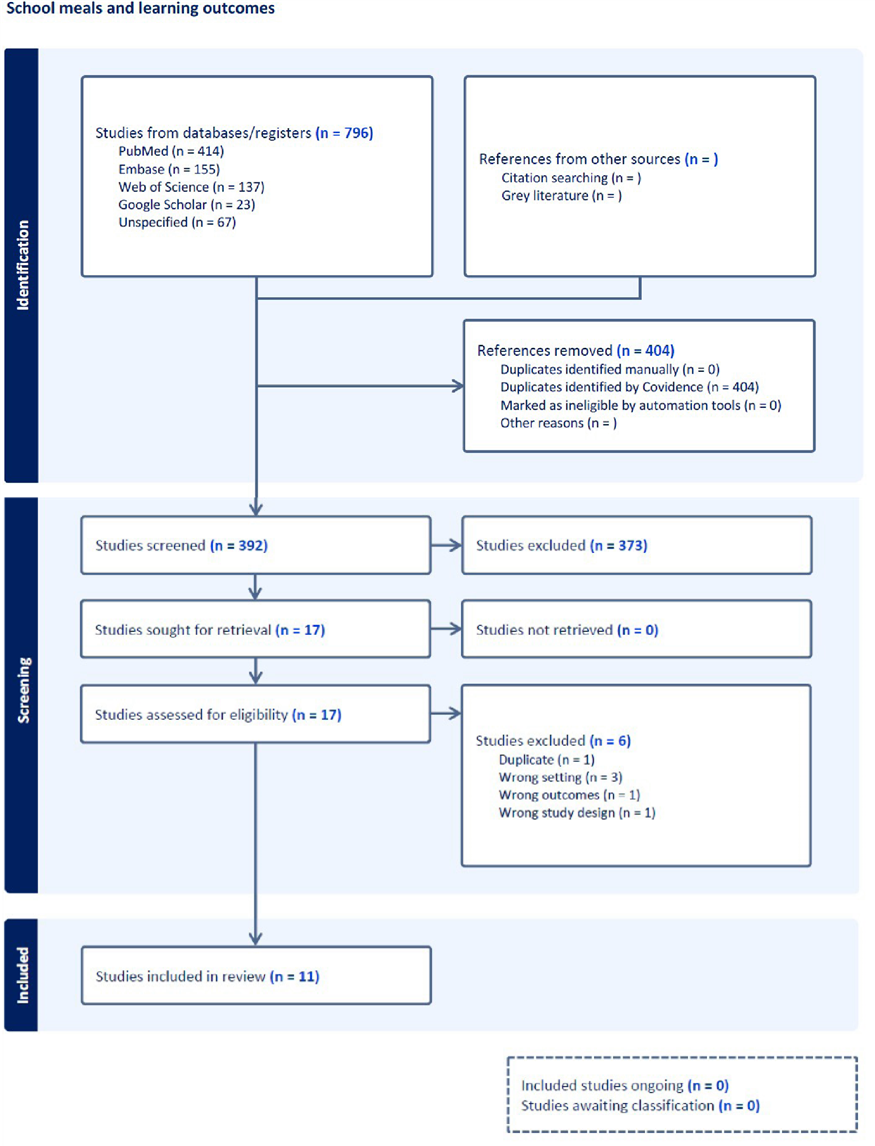
Figure 1: Methods of papers selection (PRISMA), created with Covidence
Results
Literature Search
As demonstrated in the PRISMA chart (Figure 1), the database search yielded 796 publications, of which 404 papers were removed as duplicates. Title and abstract screening revealed only 18 studies eligible for full-text review, of which 11 met the inclusion criteria; studies were removed based on age group deviations or lack of academic outcome reporting. Quality assessment indicated a low risk of bias for all included studies. Due to the nature of the exposure and outcome measures, single or double blinding was not feasible in the studies. The body of evidence was evaluated qualitatively. All included studies provided the data; no authors needed to be contacted. Due to the large heterogeneity between methodologies in the studies for both exposure and outcome data, a meta-analysis was not completed. Study outcomes are summarized in (Table 2).
|
Author |
Title |
Year |
Population Studied |
Meal |
Outcome Variables |
Main Finding |
|
Anderson et al. [6] |
School meal quality and academic performance |
2018 |
Elementary, middle, high school students |
Breakfast and lunch |
Standardized test scores |
Increase in test scores with healthy vendors |
|
Anzman-Frasca et al. [15] |
Estimating Impacts of a Breakfast in the Classroom Program on School Outcomes |
2015 |
Elementary school students |
Breakfast |
Standardized test scores |
No significant change in performance |
|
Bartfeld et al. [14] |
Access to the School Breakfast Program Is Associated with Higher Attendance and Test Scores among Elementary School Students |
2019 |
Elementary school students |
Breakfast |
Standardized test scores |
Increased reading score in boys; mixed model-specific effects |
|
Corcoran, Elbel, & Schwartz [11] |
The Effect of Breakfast in the Classroom on Obesity and Academic Performance: Evidence from New York City |
2016 |
Elementary and middle school students |
Breakfast |
Standardized test scores |
No significant change in performance |
|
Cuadros-Meñaca et al. [12] |
Evaluation of Delivering Breakfast After the Bell and Academic Performance Among Third-Grade Children: An Application of the Synthetic Control Method |
2022 |
Third-grade students |
Breakfast |
Standardized test scores |
No significant change in performance |
|
Gordanier et al. [13] |
Free Lunch for All! The Effect of the Community Eligibility Provision on Academic Outcomes |
2020 |
Elementary and middle school students |
Lunch |
Standardized test scores |
Increase in math scores in elementary students |
|
Hearst et al. [17] |
Breakfast is Brain Food? The Effect on Grade Point Average of a Rural Group Randomized Program to Promote School Breakfast |
2019 |
High school students |
Breakfast |
GPA |
No significant change in GPA |
|
Imberman et al. [7] |
The Effect of Providing Breakfast in Class on Student Performance |
2014 |
Elementary school students |
Breakfast |
Standardized test scores |
Increase in reading and math scores |
|
Luan et al. [16] |
Breakfast in the Classroom Initiative Does Not Improve Attendance or Standardized Test Scores among Urban Students: A Cluster Randomized Trial |
2022 |
Elementary and middle school students |
Breakfast |
Standardized test scores |
No significant change in performance; slight decrease in math scores |
|
Ruffini [2] |
Universal Access to Free School Meals and Student Achievement Evidence from the Community Eligibility Provision |
2022 |
Elementary, middle, high school students |
Breakfast and lunch |
Standardized test scores |
Increase in math scores; performance highest in earlyadopters |
|
Schwartz & Rothbart [3] |
Let Them Eat Lunch: The Impact of Universal Free Meals on Student Performance |
2019 |
Elementary, middle, high school students |
Lunch |
Standardized test scores |
Increase in math and ELA scores |
Table 2: Study information and main findings summary.
Academic Outcome Measures
Learning outcomes in children aged 5 to 18 are commonly assessed using standardized tests, typically administered at the end of the academic year. These assessments are generally divided into two categories: Mathematics and English Language Arts (ELA). Designed to evaluate annual cumulative academic progress, the results are published by state DOEs and were included in the published papers. There was a wide range of standardized tests. The tests included end-of-year mathematics and ELA examinations [3,7,11-15], reading examinations [2], California Standardized Testing and Reporting (STAR) examinations [6], California Assessment of Student Performance and Progress test [6], and the Pennsylvania System of School Assessment examinations[16]. One study reported on grade point average (GPA) changes over the duration of the study [17], while the other ten studies used the aforementioned standardized test measures [2,3,6,7,11-15,17].
Meal Quality and Academic Performance
Rising childhood obesity rates, metabolic disorder prevalence, and lack of access to balanced diets are driving factors in the development of healthy school meal menus. The quality of school meals is dependent on the vendor that is chosen by a school district, not by the school itself [6]. One of the studies included in this review analyzed the outcomes based on meal vendor choices and found that California schools had a rapidly growing number of institutions that were contracting with new external vendors, rather than offering food prepared by school nutrition staff [6]. This change was associated with challenges in the measurement of meal quality, as no “standard” metric for the nutritional value of a school meal could be generated. To address this challenge, a modified Healthy Eating Index (HEI) was used to determine a diet quality score reflecting the alignment of the school meal with the Dietary Guidelines for Americans set forth by the United States Department of Agriculture [6]. The modified HEI score was based on median values from derived from external vendor analyses. It was found that students at institutions with higher HEIs and higher vendor ratings scored higher on STAR examinations [6]. Type of School Meal and Academic Performance
a. School Lunches
Two studies focused on lunch-only interventions, and both found significant changes in academic performance after implementation [3,13]. These studies will be further discussed in the Universally Free Meal section.
b. School Breakfasts
Seven of eleven studies analyzed focused on school breakfast programs [7,11,12,14-17]. Two of seven breakfast-only interventions yielded significant positive changes in academic performance after implementation [7,14]. The remaining five breakfast-based interventions had insignificant or inconclusive results [11,12,15-17].
School Breakfast and GPA
One of eleven studies focused on GPA as an outcome measure to determine changes among 9th and 10th grade students [17]. This breakfast-only intervention was conducted among 16 rural high schools in Minnesota among students who qualified for free or reduced-price meals [17]. There were no statistically significant GPA changes observed at post-intervention and one-year followup time periods, though a slight GPA increase was shown among low-resource students [17].
Universally Free Meals and Academic Performance
Some studies focused on meals that were cost-free for all students, without regard to qualification or socioeconomic status. The implementation of Universally Free Meals (UFM) was aimed at reducing barriers and stigma against using free meal access for children from low-income families. Access is provided by government initiatives targeted at reducing the costs of school meals and gaps that may exist based on economic status, such as the No Child Left Behind Act of 2001 [7]. Of the 11 studies analyzed, 8 provided UFM [2,3,7,11,13-16]. Two studies reported on lunchonly interventions [3,13], one study reported on a combination of free breakfast and lunch [2], and five studies reported on breakfastonly interventions [7,11,14-16].
Five of the eight UFM programs found significant academic performance benefits after intervention [2,3,7,13,14]. Both lunchonly studies found significant performance changes [3,13], along with the combination breakfast and lunch program also showing significant performance changes [2]. The studies examining breakfast-only interventions had a lower rate of improvement, with two studies showing significant performance benefits [7,14]. The remaining three studies showing null or even slightly negative effects on academic performance [11,15,16].
a. Lunch-Only UFM
Two of eleven studies reported lunch-only UFM interventions [3,13]. One focused on UFM implementation in New York City public middle schools [3] and found that access to free lunches, regardless of household income, was associated with statistically significant improvements in both mathematics (+0.083 SD) and ELA (+0.059 SD) test scores [3]. These effects were sustained across a large urban district [3]. The other study focusing on free lunches analyzed the effect of the CEP program in Illinois, New York, and Washington [13] and found statistically significant increases in math scores (+0.061 SD) among elementary school students after short-term implementation of CEP [13]. In middle school students, the results were not statistically significant, but the authors reported a slight positive trend [13].
b. Breakfast and Lunch UFM
One of eleven studies reported on a UFM breakfast and lunch combination program [2]. This study evaluated the effect of CEP across early-adopting and late-adopting school districts [2] and reported an increase in meal participation rates that were correlated with improved mathematics scores in districts with low income-based eligibility rates [2]. Because this study included both breakfast and lunch, the positive performance changes were attributed to increased overall meal access [2].
c. Breakfast-Only UFM
Five of eleven studies reported on UFM breakfast programs, evaluating models such as BIC, BAB, SBP, and grab-and-go breakfast interventions [7,11,14-16]. Results were mixed with two of five studies reporting academic benefits [7,14] and three studies showing null or even slightly negative effects [11,15,16]. One study found that moving breakfast into the classroom increased both mathematics (+0.09 SD) and reading (+0.06 SD) examination scores [7]. In contrast, a different study using a cluster randomized trial design found that BIC implementation did not improve attendance rates or test scores [16] and found that mathematics scores were slightly lowered after BIC implementation [16]. A third study found no significant performance differences between BIC and non-BIC schools [15]. Although they found an increase in meal participation rate, academic performance was not significantly improved [15]. Another study reported small positive performance changes after free breakfast provision in specific subgroups, which will be further discussed in the demographics section of this review [14]. Lastly, the fifth study found no changes in academic performance following BIC implementation in New York City schools, despite showing changes in breakfast participation rates [11].
Demographic Subgroup Performance Changes
Data reported by the DOE contains demographic characteristics of student populations. From this data, group analysis can be performed to determine academic performance changes among specific demographic groups and socioeconomic status (SES) groups. Nine of eleven studies included demographic and/or socioeconomic information in their results [2,3,6,7,12-15,17] and eight of eleven studies examined differential outcomes based on subgroup performances [2,3,6,7,12-14,17].
Several studies reported beneficial academic performance changes among economically disadvantaged or meal assistance-eligible students. One study found that disadvantaged students scored higher (+0.034 SD) on California standardized tests, compared to a smaller score increase (+0.025 SD) among the economically advantaged students, suggesting a greater relative benefit among students from lower income households [6]. Another study focusing on breakfast served in the classroom revealed that lowincome and Hispanic subgroups, who were already eligible for free or reduced-price meals, experienced significant improvements in test scores after moving breakfast from the cafeteria into the classroom [7]. Mathematics scores (+0.09 SD) and ELA scores (+0.06 SD) both increased in this study [7]. Similarly, a study found that CEP implementation led to greater test score increases among students eligible for meal assistance but ineligible for public assistance programs such as Supplemental Nutrition Assistance Program (SNAP) or Special Supplemental Nutrition Program for Women, Infants, and Children (WIC) [2]. This eligibility gap occurs because the CEP bases eligibility on the percentage of students categorized as impoverished, meaning some students may be ineligible for SNAP or WIC, but are still able to participate in CEP meals [2]. Another study reported greater academic benefits in students not receiving public assistance for meals, particularly in rural areas [13].
One study reported that school meal programs improved test scores for both qualifying and non-qualifying income groups, but the effect was approximately doubled among students not eligible for income-based meal assistance [12]. Another study reported that UFM breakfast produced higher mathematics (+0.07 SD) and ELA (+0.04 SD) scores in income-eligible students [14]. This study also noted that traditional cafeteria-based SBP appeared to benefit lower-income boys in reading scores only [14]. A third study found that CEP participation improved academic performance in school districts with lower participation rates for free meal programs [3].
Other studies found no significant subgroup effects or inconsistent patterns. One study documented increased participation rates in a school breakfast program intervention, but no significant academic improvements following in-class breakfast implementation [15]. Though this study included demographic data, the authors did not analyze subgroup effects [15]. Another study found no change in GPA between intervention and control groups across different socioeconomic statuses, although low-resource students in the control group improved more after one-year post-intervention [17]. Likewise, authors reported no significant changes in math and reading scores after an in-class breakfast intervention, despite higher participation rates in school breakfast [16]. Similarly, another study found no academic performance changes associated with breakfast delivery format, and large p-values indicated inconsistent effects of an in-class breakfast program on both mathematics and ELA achievement [11].
Discussion Summary of Main Findings
This systematic literature review identified a limited number of studies using measured school meal and learning outcomes, indicating a dire need for research that uses standardized methods to measure school meal and/or dietary intake and cognitive or academic outcomes. Of the eleven papers included, seven evaluated the impact of school breakfast programs [7,11,12,14–17], and five of these seven studies reported no statistically significant changes to mathematics and ELA scores or GPA after intervention [11,12,15–17]. Two studies found moderate improvements in test scores across subgroups, including certain sex, demographic, and SES groups [7,14]. These gains were attributed to increased participation rates and reduced barriers, including arrival time to school or decreased stigma associated with meal assistance [7,14]. However, both studies identified conflicting results for classroomstyle breakfast interventions relative to traditional cafeteria SBP [7,14]. Five of the seven breakfast programs were provided universally free to all students [7,11,14–16]. Additionally, two studies assessed the impact of universally-free lunch programs, and both found statistically significant improvements in standardized test scores across SES and grade subgroups [3,13]. The remaining study that evaluated a school breakfast and lunch program also reported moderate, statistically significant improvements in test scores influenced by SES groups and vendor quality [2]. This study involved provision of UFM breakfasts and lunches, finding that free meals throughout the day supported positive changes in academic performance [2].
A slight advantage in academic outcome was associated with UFM programs, though the strength and consistency of these effects varied by meal type. Lunch-only interventions consistently yielded positive results, particularly mathematics, suggesting that more research should be conducted on the effect of school lunch participation on academic outcomes including mathematics scores. A UFM breakfast and lunch intervention showed academic gains, especially when implementation emphasized both free meal access and nutritional quality [2]. In contrast, findings from UFM breakfast-only interventions were mixed; while some breakfast models demonstrated beneficial changes [7,14], others showed no significant impact [11,15], or even slight decreases in mathematics scores [16]. While some studies acknowledged the potential for differential impacts of school meals across demographic and socioeconomic subgroups, not all studies conducted specific subgroup analyses. Thus, existing evidence tentatively suggests that UFM programs may benefit disadvantaged students; some findings point to meaningful gains in all children [2,3,6,7,13,14].
Interpretations and Applications
Interestingly, although access to healthy food is commonly referred to as limitation for certain SES groups, only three studies reported beneficial results among economically disadvantaged or minority students [6,7,14]. The data comparing the effects of breakfast as compared to lunch showed that lunch demonstrated the most consistent improvement in academic outcomes, contrasting with the literature suggesting that breakfast is the most important meal of the day. However, only two studies were centered on lunch, while seven studies focused on breakfast. Breakfast programs showed the greatest variability in academic outcomes used for program evaluation, especially across BIC interventions. Hence, it is impossible to date to make a definitive statement on the effect of breakfast on learning outcomes, and future studies on breakfast program structure (classroom, cafeteria, or grab-andgo) using similar outcome measures may provide critical data on significant cognitive and academic improvements. Furthermore, some literature cited expressed concerns regarding classroomstyle interventions (ICB, BIC, BreakFAST) over traditional cafeteria-style SBP interventions, primarily due to concerns that these programs reduced classroom instruction time and academic performance. However, Imberman et al. theorize that classroom-style breakfast programs limit space and scheduling conflicts, eliminating the need for students to arrive early [7]. Analysis of three breakfast studies found no change in academic performance [11,12,15], one found a slight decrease in math scores [16], and two found positive impacts on mathematics and reading scores [7,14]. These inconsistencies in outcomes suggest that classroom-style interventions may not be the most effective models to improve students’ academic outcomes; however, more evidence is required to make a conclusive statement on whether in-class breakfast significantly limits instructional time and affects academic performance. Classroom-style interventions can still be considered viable solutions to increase food access among student populations. One study found lower cost associated with classroom interventions as food and labor prices decreased from $1.76 per student to $1.32 per student when switching from SBP to classroom-style delivery [7].
Examining academic performance by SES reveals that school meal access improves academic performance in all student groups, although some studies focused primarily on income-eligible populations [3,12,14]. UFM access is a population-level strategy designed to reduce food insecurity, a predictor of low diet quality and compromised health, which is a persistent public health concern across the U.S. [18]. However, while free school meals might support student health, this review only included academic performance as outcome.
It is noteworthy to point out the scarcity of available well-designed published studies on the effect of school-based meals, free or paid, on students’ academic outcomes. Overall, these studies demonstrate that combined meal programs can yield measurable academic benefits. However, the existing literature indicates that improvements were generally modest.
Inconsistencies in academic outcomes between the studies may be related to the program delivery mode. Due to the large variability in reported outcomes, a conclusive statement on the effect of school meals on academic outcomes is currently not possible. Some programs may be effective and lunch-only interventions appear to improve academic achievement; however, this cautious conclusion is based on only two studies. Only one study focused on meal vendor quality and its relationship with academic performance [6], thus, it does not offer evidence for conclusive statement as more research is needed to duplicate the results [6]. The eleven articles evaluating academic outcomes based on children’s SES show a slight majority of studies suggesting increased potential benefits for economically advantaged, economically disadvantaged, and rural students [2,3,6,7,13,14]. In the eight studies that implemented UFM, five yielded beneficial academic outcomes, warranting further research on UFM programs [2,3,7,13,14].
Strengths and Limitations
This systematic literature review was based on an ad hoc search with robust inclusion/exclusion criteria to consider publications offering dietary intake and standardized academic performance outcome variables. The inclusion of quasi-experimental (n = 8) and observational (n = 3) designs enabled a more comprehensive understanding of real-world academic environments and the variability that exists between them. Additionally, the use of metrics, such as GPA and standardized test scores, allowed for consistency and facilitated the application to practical contexts for policy and educational purposes. The subgroup analysis including demographics and socioeconomic outcomes helped understand the role of confounding variables across student populations. However, this review is limited by the small number of eligible studies and the considerable heterogeneity in exposure and/or interventions and outcome measures. Most of the studies included state-level examinations and test content varies across states and years. Additionally, while lunch interventions showed more favorable outcomes, only a small number of studies assessed lunch programs, limiting the generalizability of our results. Finally, few studies examined the long-term relationship between school meals and academic outcomes, restricting the ability to determine if these effects persist over time.
Conclusion
This systematic review explored the relationship between school meal programs and academic performance in children. Results were inconsistent for breakfast consumption, and the two studies focusing on lunch showed modest improvement in some academic outcomes, mainly math scores. It is important to highlight that lack of research data is not identical with lack of association and future studies using consistent measurable school meal participation and outcomes data might lead to public health nutrition policy implications. Future research using standardized definitions of school meal type and consumption as well as standardized academic performance outcomes is needed to establish the value of school breakfast and/or school lunch on academic outcomes may inform current policy evaluation and potentially development of new public health policy.
Declarations
Acknowledgements
The authors would like to thank the students in the Diet and Nutrition Lab for providing support through the duration of this study, especially Samantha Chen, Yunji Kim, and Zane Johnson. Written consent for recognition in the acknowledgements section of this paper was obtained from these students via email. We are also grateful to the researchers whose published work was included in this review.
Ethics Approval
This literature review was conducted in alignment with PRISMA standards. No approval from the University of Virginia IRB committee was required due to the nature of this review.
Funding
This study was funded by a donation to Dr. Kranz through the UVA School of Education and Human Development Warner/Kosowski Donation fund
Competing Interests: None of the authors has a conflict of interest.
Author Contributions
SK, JW, and BR developed this review and collaborated with a librarian to develop the search strategies. JW and BR performed the literature searches, evaluated results, and compiled the papers, SK served as tiebreaker. BR and JW drafted the manuscript and SK critically edited and revised the work. SK funded the project.
No language models were used.
References
- Prado E, Dewey K (2014) Nutrition and brain development in early life. Nutr Rev 72: 267-284.
- Ruffini K (2022) Universal Access to Free School Meals and Student Achievement: Evidence from the Community Eligibility Provision. J Hum Resour 57: 777-820.
- Schwartz AE, Rothbart MW (2020) Let Them Eat Lunch: The Impact of Universal Free Meals on Student Performance. J Policy Anal Manage 39: 376-410.
- Van Wye G, Seoh H, Adjoian T, Dowell (2013) Evaluation of the New York City Breakfast in the Classroom Program. Am J Public Health 103: e59-64.
- Localio A, Knox M, Basu A, Lindman T, Walkinshaw LP, et al. (2024) Universal Free School Meals Policy and Childhood Obesity. Pediatrics 153.
- Anderson M, Gallagher J, Ramirez Ritchie E (2018) School meal quality and academic performance. J Public Econ 168: 81-93.
- Imberman S, Kugler A (2014) The Effect of Providing Breakfast in Class on Student Performance. J Policy Anal Manage 33: 669-699.
- Cohen J, Hecht A, McLoughlin G, Turner L, Schwartz M (2021) Universal School Meals and Associations with Student Participation, Attendance, Academic Performance, Diet Quality, Food Security, and Body Mass Index: A Systematic Review. Nutrients 13: 911.
- Alexander L (2015) Every Student Succeeds Act. 129: 1802-2131.
- Sterne J, Savović J, Page M, Elbers R, Blencowe N, et al. (2019) RoB 2: a revised tool for assessing risk of bias in randonmised trials. BMJ 366: l4898.
- Corcoran S, Elbel B, Schwartz AE (2016) The Effect of Breakfast in the Classroom on Obesity and Academic Performance: Evidence from New York City. J Policy Anal Manage 35: 509-532.
- Cuadros-Meñeca A, Thomsen M, Nayga R (2022) Evaluation of Delivering Breakfast After the Bell and Academic Performance Among Third-Grade Children: An Application of the Synthetic Control Method. J Sch Health 92: 665-673.
- Gordanier J, Ozturk O, Williams B, Zhan C (2020) Free Lunch for All! The Effect of the Community Eligibility Provision on Academic Outcomes. Econ Educ Rev 77.
- Bartfeld J, Berger L, Men F, Chen Y (2019) Access to the School Breakfast Program Is Associated with Higher Attendance and Test Scores among Elementary School Students. J Nutr Community Int Nutr 149: 336-343.
- Anzman-Frasca S, Carmichael Djang H, Halmo M, Dolan P, Economos C (2015) Estimating Impacts of a Breakfast in the Classroom Program on School Outcomes. J Am Med Assoc Pediatr 169: 71-77.
- Luan D, Foster G, Fisher J, Weeks H, Polonsky H, et al. (2022) Breakfast in the Classroom Initiative Does Not Improve Attendance or Standardized Test Scores among Urban Students: A Cluster Randomized Trial. J Acad Nutr Diet 122: 1168-1173.
- Hearst M, Jimbo-Llapa F, Grannon K, Wang Q, Nanney M, et al. (2019) Breakfast Is Brain Food? The Effect on Grade Point Average of a Rural Group Randomized Program to Promote School Breakfast. J Sch Health 89: 715721.
- Caswell J, Yaktine A (2013) Supplemental Nutrition Assistance Program: Examining the Evidence to Define Benefit Adequacy. Committee on National Statistics; Institute of Medicine; National Research Council.
© by the Authors & Gavin Publishers. This is an Open Access Journal Article Published Under Attribution-Share Alike CC BY-SA: Creative Commons Attribution-Share Alike 4.0 International License. Read More About Open Access Policy.