 Research Article
 Household and Community Waste Management Practices in Yenagoa City and Environs: Understanding the Barriers and Health Implications
by Ebiakpor Bainkpo Agbedi1*, Mordecai Oweibia2
1Department of Planning, Research, and Statistics, Bayelsa State Primary Healthcare Board, Nigeria
2Department of Public Health, Bayelsa Medical University, Nigeria
*Corresponding author: Ebiakpor Bainkpo Agbedi, Department of Planning, Research, and Statistics, Bayelsa State Primary Healthcare Board, Yenagoa, Nigeria.
Received Date: 02 January, 2026
Accepted Date: 12 January 2026
Published Date: 20 January 2026
Citation: Agbedi EB, Oweibia M (2026) Household and Community Waste Management Practices in Yenagoa City and Environs: Understanding the Barriers and Health Implications. J Med Biomed Discoveries 8: 147. https://doi.org/10.29011/2688-8718.100147
Abstract
Background: Waste management in urban environments, particularly in Yenagoa City and its surroundings, posed significant challenges due to increasing population density, inadequate infrastructure, and detrimental household and community waste disposal practices. These issues contributed to public health risks and environmental degradation. Objective: The study aimed to understand the barriers and health implications associated with household and community waste management practices in Yenagoa City and its environs. Methods: A quantitative research design was employed, utilizing a cross-sectional survey methodology. Data were collected from 482 residents through structured questionnaires administered via face-to-face interviews. Stratified random sampling was used to ensure diverse representation across different demographics. The data were analyzed using statistical software, including SPSS and XLMiner. Results: The findings revealed that a significant portion of respondents stored waste improperly, with 48% using bags or sacks outside their homes and 25% burning waste. A high prevalence of littering was observed, with 39% of participants frequently encountering litter in public spaces. Health risks associated with waste mismanagement included air pollution (20%), food and water contamination (19%), and vector-borne diseases (18%). Community engagement in sanitation exercises was variable, with 67% participating sometimes. Barriers to effective waste management included a lack of bins (33%) and infrequent waste collection (20%). Conclusion: The study highlighted critical gaps in waste management practices within Yenagoa City, emphasizing the need for improved infrastructure, public awareness campaigns, and community engagement initiatives to enhance waste disposal methods and mitigate health risks.
Keywords: Waste management; Public health risk; Community engagement; Littering behaviour; Urban environment
Introduction
Background
Waste management has been a critical area of study and practice, particularly in urban environments, due to the increasing challenges posed by urbanization and population growth. Various scholars have defined waste management in numerous ways, reflecting the complexity and multi-faceted nature of the subject. Generally, waste management was understood as the collection, transport, processing, recycling, or disposal of waste materials [1]. According to studies, waste management encompassed all activities associated with the management of waste from its inception to its final disposal [2]. This definition highlighted the importance of a systematic approach to waste handling, emphasizing the need for a comprehensive framework that included prevention, minimization, recycling, and disposal. In the context of urban environments, effective waste management was particularly crucial due to the high density of population and the resultant generation of waste. According to scholars, urban areas produced a significant proportion of the total waste generated globally, making effective waste management not only a necessity for public health but also for environmental sustainability [3]. The urban landscape, with its unique challenges such as limited space for waste disposal and the potential for waste-related health issues, necessitated a structured approach to waste management that included community involvement and government regulation. The importance of effective waste management in urban settings was underscored by its implications for public health, environmental protection, and economic sustainability.
According to scholars, inadequate waste management could lead to severe health issues, including the spread of diseases resulting from waste accumulation, pollution of water sources, and air quality deterioration [4,5]. This health perspective reinforced the notion that waste management was not just an environmental issue but a public health concern that required immediate attention. Moreover, effective waste management was recognized as a driver of economic sustainability. Countries that invested in efficient waste management systems were better positioned to harness resources through recycling and recovery processes. Such systems not only reduced the amount of waste sent to landfills but also created job opportunities and stimulated economic growth in local communities [6]. The integration of waste management practices into urban planning was seen as a pathway to sustainable urban development, promoting a circular economy where materials were reused and recycled, thus minimizing waste generation. Household waste management practices have garnered increasing attention in urban environments, as they significantly influence public health and environmental sustainability. Numerous studies have explored common methods of waste storage and disposal, the factors influencing household waste disposal choices, and the impact of socioeconomic status on these practices. Common methods of household waste storage included the use of covered bins, open containers, and plastic bags.
Research indicated that households often stored waste in covered bins to minimize odour and pest infestation, whereas open storage methods, such as leaving waste in the surrounding area, were prevalent in lower-income neighborhoods where access to proper waste management infrastructure was limited. Additionally, the choice of disposal methods varied widely; while some households utilized municipal collection services, others resorted to open dumping or burning due to a lack of regular waste collection [7,8]. The reliance on these informal methods highlighted a significant gap in effective waste management systems in urban areas. Factors influencing household waste disposal choices were multifaceted. Studies indicated that socioeconomic status played a pivotal role in shaping disposal behaviours. Households with higher income levels tended to have better access to waste collection services and were more likely to engage in environmentally friendly practices such as recycling and composting [9,10]. In contrast, lowerincome households often faced barriers such as infrequent waste collection, lack of awareness about proper disposal methods, and the perceived costs associated with formal waste disposal services. Cultural practices also influenced waste management decisions, as some communities maintained traditional practices that conflicted with modern waste management strategies.
The impact of socioeconomic status on waste management practices was evident in the disparities between different income groups. Lower socioeconomic households frequently engaged in informal disposal methods due to economic constraints and a lack of education regarding waste management. This contributed to a cycle of inadequate waste management, where poor disposal practices led to environmental degradation and health risks, further exacerbating the socioeconomic challenges faced by these communities. Conversely, households with higher socioeconomic status were more likely to participate in community clean-up initiatives and support policies that promoted sustainable waste management practices [11,12]. In summary, the literatures consistently highlighted the complex interplay between storage and disposal methods, influencing factors, and socioeconomic status in urban waste management. Effective waste management strategies must address these disparities by improving access to waste collection services, enhancing public awareness, and fostering community engagement to promote sustainable practices across all socioeconomic groups. The phenomenon of littering in public spaces had garnered significant scholarly attention over the past few decades, primarily due to its implications for urban aesthetics, public health, and environmental sustainability. Various studies have documented the prevalence of littering behaviours among motorists, cyclists, passengers, and pedestrians, highlighting a range of factors that contribute to these activities. In urban areas, littering had been observed to be a common occurrence, with researchers noting that the visibility of litters in public spaces often correlates with the density of human activity. For instance, studies conducted in metropolitan cities revealed that high foot traffic areas, such as parks, streets, and commercial districts, exhibited a greater accumulation of litters compared to quieter neighborhoods. This observation suggested that the presence of people was a significant determinant of littering frequency, as well as the types of waste generated. Motorists, cyclists, and passengers were found to contribute significantly to urban littering, particularly through the disposal of waste from moving vehicles and motorbike.
Research indicated that drivers and passengers often discarded items such as fast-food packaging, beverage containers, and cigarette butts while in transit, reflecting a broader trend of conveniencedriven waste disposal [13]. Notably, a study examining litters along major roadways highlighted that the majority of littered materials were lightweight and easily blown by the wind, which exacerbated the litter problem in adjacent areas. The findings pointed to a pattern where the act of littering was not merely a reflection of individual behaviour but also influenced by the design and maintenance of urban infrastructure, such as the availability of waste receptacles. Pedestrian littering behaviours were similarly scrutinized in various urban contexts. Observational studies captured the tendencies of individuals to litter when waste disposal options were perceived as inconvenient, such as when bins were full, located too far away, or absent altogether. Furthermore, researchers identified social norms and environmental cues as critical factors influencing littering behaviour; for instance, areas with existing litter were found to encourage further littering, creating a cycle of neglect and degradation. The types of waste commonly found in urban environments were extensively cataloged across numerous studies. The most frequently littered items included plastic bags, food wrappers, beverage containers, and paper products [14,15]. These materials often posed significant challenges for urban waste management systems, as they were not only unsightly but also harmful to local ecosystems.
In particular, plastic waste has been linked to broader environmental issues, such as marine pollution and the disruption of wildlife habitats. Studies noted that the prevalence of specific types of waste varied by location and season, indicating that littering behaviours were influenced by cultural practices, events, and public awareness campaigns. In summary, the literatures consistently underscored the complex interplay between human behaviour, urban infrastructure, and waste management practices in shaping patterns of littering in public spaces. Understanding these dynamics was crucial for developing effective strategies to mitigate littering and promote sustainable waste disposal behaviours among both motorists, passengers, and pedestrians. Waste mismanagement has long been recognized as a critical public health issue, particularly in urban environments where population density and inadequate infrastructure exacerbate the problem. Numerous studies have established a clear connection between improper waste disposal practices and a range of public health risks, highlighting the urgent need for effective waste management strategies. Historically, the accumulation of waste in urban areas has led to various health hazards, including air and water pollution, the proliferation of vectors, and the emergence of disease outbreaks.
Research conducted by Adeyemo demonstrated that poorly managed waste sites serve as breeding grounds for disease-carrying vectors, such as mosquitoes and rodents, which contribute to the transmission of vector-borne diseases like malaria and dengue fever [4,5,8]. Furthermore, the World Health Organization (WHO) reported that improper waste disposal practices could lead to soil and water contamination, posing serious risks to human health and the environment [16,17]. Several studies have identified specific diseases associated with waste mismanagement. Respiratory infections, skin diseases, and gastrointestinal disorders were commonly reported among populations living near open dumpsites [17,18,19]. For instance, studies had highlighted the correlation between exposure to waste and the prevalence of respiratory conditions, particularly among children and the elderly, who are more susceptible to airborne pollutants generated by burning waste [18,20]. Similarly, food and water contamination linked to improperly disposed waste has been implicated in outbreaks of gastroenteritis and other foodborne illnesses. Vulnerable populations, including children, women, the elderly, and lowincome communities, were disproportionately affected by wasterelated health issues. Research further emphasized that children, due to their developing immune systems and behaviours that expose them to environmental hazards, experienced higher rates of health complications associated with waste mismanagement [19]. Women, often responsible for household waste management, were also found to be at increased risk due to exposure to hazardous materials and the burden of care for sick family members. Furthermore, marginalized communities frequently lacked access to adequate waste disposal facilities, compounding their vulnerability to health risks associated with environmental degradation.
The literatures consistently underscored the importance of addressing waste management as a public health priority. Studies suggested that community engagement, public education campaigns, and improved waste management infrastructure were critical in mitigating health risks associated with waste mismanagement. For example, a study had illustrated how community-led initiatives in urban areas significantly reduced waste-related health issues by increasing awareness and promoting responsible waste disposal practices. In summary, the existing literatures firmly established a link between waste mismanagement and a variety of public health risks, with significant implications for urban populations. The identification of common diseases associated with improper waste disposal and a focus on vulnerable groups highlighted the need for targeted interventions. Addressing waste management through comprehensive policies and community engagement emerged as an essential strategy for improving public health outcomes in urban environments. The management of solid waste has been a persistent challenge in urban environments, with governmentdesignated dump sites playing a crucial role in the overall waste management strategy. Studies indicated that the effectiveness of these dump sites largely depended on their location, accessibility, and the infrastructure surrounding them. Research conducted illustrated that poorly located dump sites often contributed to environmental degradation and public health risks, as they were frequently situated near residential areas without adequate buffers. Furthermore, the studies highlighted that the lack of proper maintenance and management of these sites led to issues such as waste overflow, leachate contamination, and increased vector breeding, which exacerbated health concerns in nearby communities [21, 22]. Community participation in sanitation exercises and cleanup campaigns was identified as a critical factor influencing the effectiveness of waste management practices [23].
According to study, local involvement in these initiatives fostered a sense of ownership and responsibility among community members, which, in turn, led to improved waste disposal behaviours. Research further revealed that communities that actively engaged in regular cleanup campaigns reported lower instances of illegal dumping and littering [24,25]. However, participation rates varied widely, often influenced by factors such as awareness, perceived effectiveness of the campaigns, and socio-economic conditions. For instance, a study had shown that lack of public awareness about cleanup schedules and the perceived ineffectiveness of such initiatives hindered participation in many urban areas. The awareness and compliance with waste management regulations also emerged as significant determinants of successful waste disposal practices [23]. Research found that many urban residents were unaware of existing waste management policies and their corresponding responsibilities, leading to widespread non-compliance. The study highlighted that effective communication strategies and educational campaigns were essential in enhancing public awareness of waste management regulations [26]. Furthermore, compliance was often contingent upon the perceived enforcement of these regulations; communities with visible enforcement mechanisms, such as fines for illegal dumping, exhibited higher compliance rates [27]. Collectively, the literatures underscored the interconnectedness of government initiatives, community participation, and public awareness in shaping waste management outcomes in urban environments. While government-designated dump sites were essential for structured waste disposal, their effectiveness was significantly enhanced by active community involvement in sanitation efforts and heightened awareness of waste management regulations.
The effective management of waste in urban environments had garnered significant attention in scholarly research, focusing on the assessment of waste collection infrastructure, identification of barriers to proper waste disposal, and the influence of education and cultural practices on waste management behaviours. A comprehensive understanding of these elements was vital for developing effective waste management strategies that promote public health and environmental sustainability. In the past decades, numerous studies assessed the adequacy of waste collection infrastructure in urban areas. Researchers identified that inadequate waste collection services, including insufficient bins, infrequent collection schedules, and a lack of designated disposal sites, significantly hindered effective waste management [28,29,30]. In particular, urban centres in developing countries often faced challenges such as limited financial resources and inadequate governmental policies, which resulted in poorly maintained waste collection systems. This inadequacy not only contributed to littering and illegal dumping but also posed severe health risks to communities, as unmanaged waste often served as breeding grounds for vectors of diseases [31,32].
The identification of barriers to proper waste disposal practices highlighted the complex interplay between infrastructure, socioeconomic factors, and individual behaviors. Studies revealed that many urban residents resorted to open dumping or burning of waste due to a lack of access to proper disposal facilities. Factors such as perceived costs associated with waste collection services, lack of awareness regarding waste management practices, and cultural norms surrounding waste disposal were frequently cited as significant barriers. Moreover, the absence of enforcement mechanisms for illegal dumping and inadequate public education campaigns further exacerbated the situation, leaving communities with limited options for responsible waste disposal. The role of education in shaping waste management behaviours emerged as a critical area of focus in the literature. Several studies emphasized the importance of public awareness campaigns in promoting proper waste disposal practices. Educational initiatives that provided information about the environmental impacts of improper waste disposal and offered practical guidance on waste segregation and recycling were found to significantly enhance community engagement in waste management efforts. Additionally, cultural practices and local traditions were shown to influence waste disposal behaviors, with certain communities displaying resistance to adopting modern waste management practices due to deeply rooted beliefs and customs. Therefore, researchers suggested that culturally sensitive education and awareness programs that respect local values could facilitate better compliance with waste management policies. In summary, the assessment of waste collection infrastructure, the identification of barriers to proper waste disposal, and the role of education and cultural practices are interconnected elements that significantly influence waste management in urban environments. Addressing these factors requires a multifaceted approach that combines infrastructural improvements, community engagement through education, and sensitivity to cultural practices. Research on community attitudes towards waste management initiatives had highlighted the critical role that public perception plays in the success of environmental programs.
A substantial body of literature had indicated that positive community attitudes were often linked to higher levels of participation in cleanup campaigns and other waste management efforts. For instance, studies conducted in various urban environments demonstrated that communities with a strong sense of environmental stewardship were more likely to engage in activities aimed at improving waste management practices. Factors influencing participation in cleanup campaigns were multifaceted and included socio-economic status, access to information, and the perceived effectiveness of the initiatives. Research indicated that individuals from higher socio-economic backgrounds were more likely to participate in cleanup efforts, as they often had better access to resources and information regarding these initiatives. Furthermore, studies revealed that awareness campaigns and educational programs significantly enhanced participation rates by informing residents about the importance of waste management and the direct benefits of their involvement [33,34].
Additionally, the perceived effectiveness of cleanup initiatives played a crucial role in influencing community participation. Residents who believed that their efforts would lead to tangible improvements in their local environment were more inclined to join cleanup campaigns. Conversely, skepticism regarding the potential impact of such initiatives often led to apathy and disengagement. Perceptions of penalties for illegal dumping and waste burning also constituted an important dimension of the discourse surrounding waste management [27]. Research indicated that communities generally supported the imposition of penalties for these activities, viewing them as necessary deterrents to protect public health and the environment. However, the acceptability of specific penalties varied significantly among different demographic groups. For instance, younger residents tended to favour monetary fines, while older individuals expressed support for community service or hard labour as a form of punishment for offenders. Moreover, literatures suggested that effective communication about the consequences of illegal dumping and waste burning could enhance compliance and foster a culture of accountability within communities. Engaging local stakeholders in the development of penalty frameworks was found to be beneficial, as it ensured that the penalties were perceived as fair and just, thereby increasing community buy-in. In summary, the literatures underscored the importance of understanding community attitudes and the various factors influencing participation in waste management initiatives. It became evident that fostering positive perceptions through education and effective communication, along with establishing fair penalties for illegal activities, was essential for enhancing community engagement in waste management efforts.
Statement of Problem
In Yenagoa City and its environs, the management of household and community waste presented significant challenges, as residents displayed various detrimental habits and characteristics that adversely affected public health and environmental quality. Households typically stored waste openly and unprotected in corners of their surroundings, contributing to unsightly and unsanitary conditions. Many residents resorted to dumping their household waste in nearby bushes, littering domestic waste on the streets, and discarding waste in any available space, exacerbating the problem of urban littering. Moreover, motorists and passengers were observed discarding waste from moving vehicles, further polluting major roads and public spaces. Some individuals opted to pack their domestic waste in trash bags, only to dispose of them in designated open dump sites, where the government had identified specific areas for such practices. However, the destruction of waste at these sites often involved burning and burying, which raised concerns about air quality and soil contamination. The study population, comprising diverse communities and settlements with individuals from various tribes—including traders, artisans, civil servants, farmers, fishermen, and students—highlighted the widespread nature of these waste management issues. Collectively, these practices underscored a pressing need to understand the barriers to effective waste management and the associated health implications for the residents of Yenagoa and its surrounding areas.
General Objective
The study aimed to understand the barriers and health implications associated with household and community waste management practices in Yenagoa City and its environs.
Specific Objectives
- The study sought to assess the household waste storage and disposal practices employed by residents in Yenagoa City.
- It aimed to evaluate the prevalence and types of waste littered in public spaces and the attitudes of residents towards waste disposal.
- The research intended to investigate the presence of scavengers and the associated health risks linked to waste mismanagement in the area.
- It aimed to determine the awareness and participation of residents in government-designated waste disposal sites and cleanup campaigns.
- The study sought to identify the barriers to effective waste disposal and the potential actions that residents supported for improving waste management in Yenagoa and its surroundings.
- It aimed to assess the willingness of residents to participate in future community clean-up initiatives and their perceptions of penalties for illegal waste disposal.
Significance of the Study
The study significantly addressed a critical knowledge gap regarding household and community waste management practices in Yenagoa City and its surrounding areas. Prior to this research, limited empirical data existed on the specific barriers and health implications associated with waste disposal methods in this city. By systematically investigating the waste management behaviours, public perceptions, and the associated health risks, the study contributed valuable insights that enriched the existing body of knowledge. It highlighted the unique challenges faced by residents, the prevalence of open dumping and burning practices, and the resultant public health concerns. Furthermore, the findings underscored the need for tailored interventions and policies aimed at improving waste management systems, thereby offering a foundational understanding that could inform future research and public health initiatives in similar urban contexts.
Scope and Limitation
Scope of the Study
The study focused on household and community waste management practices in Yenagoa City and its surrounding areas. It aimed to understand the barriers that residents faced in proper waste disposal, as well as the health implications associated with current waste management practices. The research gathered data from a diverse range of respondents across different age groups, genders, and occupations to capture a comprehensive overview of waste management behaviours. The study also explored public awareness of government-designated dump sites, cleanup campaigns, and the effectiveness of existing waste management infrastructure.
Limitations of the Study
The study encountered several limitations that might have influenced the findings. One limitation was the reliance on selfreported data, which could introduce biases based on participants’ perceptions and willingness to disclose accurate information regarding their waste management practices. Additionally, the study was limited to Yenagoa City and its immediate surroundings, which may affect the generalizability of the results to other regions with different socio-economic and cultural contexts. Another limitation was the potential for a low response rate in specific demographic groups, which could skew the representation of the data. Lastly, time constraints might have limited the depth of exploration into certain areas, such as the long-term health impacts of waste mismanagement.
Methods
Study Design
The study employed a quantitative research design to systematically investigate the waste management practices of households and communities in the city. The research aimed to identify the barriers faced by residents in effective waste disposal and to assess the associated health implications of current practices. The study utilized a cross-sectional survey methodology, which allowed for the collection of data from a diverse sample of participants within a defined timeframe using. A structured questionnaire was developed, comprising multiple sections that addressed various aspects of waste management practices, including household waste storage and disposal methods, public space waste disposal, awareness of government-designated dump sites, and participation in community sanitation initiatives using Kobo Toolkit. The questionnaire was designed to capture both demographic information and specific behaviours related to waste management. Data collection was conducted through face-to-face interviews with residents of Yenagoa City and its environs. A stratified random sampling technique was employed to ensure representation across different age groups, genders, and occupations. The sample size was determined based on statistical power analysis, which aimed to achieve a sufficient level of confidence in the results. Participants were recruited through community outreach efforts, and informed consent was obtained prior to their involvement in the study. The collected data were coded and analyzed using statistical software to facilitate quantitative analysis. Descriptive statistics were employed to summarize demographic characteristics and waste management practices, while inferential statistics were utilized to explore relationships between variables and identify potential barriers to effective waste disposal. The study also examined the perceived health risks associated with improper waste management, as reported by respondents. Ethical considerations were paramount throughout the research process. The confidentiality of participants was assured, and data were stored securely to prevent unauthorized access. Moreover, participants were informed of their right to withdraw from the study at any given time without penalty. In summary, the study effectively utilized a quantitative approach to gather and analyze data on household and community waste management practices in Yenagoa City. The findings aimed to provide valuable insights into the barriers to effective waste disposal and the health implications of current practices, thereby informing future policy and intervention strategies.
Study Area
Bayelsa State is located in the southern part of Nigeria, in the Niger-Delta region. It is bordered by Rivers State to the West and Delta State to the East with a long span of Atlantic Ocean at the south. The capital city is Yenagoa. Bayelsa has a population of about 2,537,400 with a landscape area of 9,391 km2 (NPC, 2022). Demographic data for Bayelsa State indicates that most of the population belongs to the Ijaw ethnic group, which is the dominant ethnic group in the state. Other minority ethnic groups include the Ogbia, Nembe, and Epie-Atissa. The main languages spoken in Bayelsa State are Ijaw, Epie-Attisa, Isoko, Urhobo and English. Bayelsa State has a predominantly Christian population, with Christianity being the major religion practiced in the state. However, there are also adherents of other religions, including traditional Africans religions and Islam. The economy of Bayelsa State is predominantly petroleum resources, as the state is in the oil-rich Niger Delta region. Bayelsa has one of the largest crude oil and natural gas deposits in Nigeria, with the Oloibiri Oilfield being the site of the country’s first oil discovery. Other mineral raw materials found in the state include salt, agro raw materials include cassava, plantain, rice, and fish.
Study Population
The study population of this research encompassed a diverse group of residents from the City of Yenagoa and its surrounding areas, characterized by various waste management habits and practices. Households were often found to store their waste openly and unprotected in corners of their surroundings, leading to an accumulation of domestic waste in nearby bushes and on the streets, where it was indiscriminately littered in any available space. Motorists and passengers were also observed to contribute to the littering problem by discarding waste from moving vehicles onto major roads. Additionally, some residents packaged their domestic waste in trash bags before disposing of them in designated open dump sites, which the government had established for waste management. The disposal methods included destruction through burning and burying waste at these sites. The study population represented a mix of communities and settlements, comprising individuals from various tribes, including traders, artisans, civil servants, farmers, fishermen, and students, reflecting the multicultural and socioeconomic diversity of the city.
Sample Size Determination
To calculate the sample size for the study, we could use the formula for sample size determination in surveys. However, since the population of Yenagoa City and its environs was unknown, we would use a common approach for estimating the sample size when the population was infinite. The formula to calculate the sample size is:
no = Z2 x p(1-p)
E2
Where:
no = required sample size
Z = Z-value (the number of standard deviations from the mean for a given confidence level) p = estimated proportion
E = margin of error Given: p = 0.5 (5%)
Z = 1.96 (confidence interval of 95%)
E = 0.05 (margin of error of 5%)
Calculation:
Using the assumed margin of error of 0.05, we can calculate the sample size:
Substitute the values into the formula:
no = (1.96)2 x 0.5 x (1-0.5)
(0.05)2
Calculate:
Z2 = (1.96)2 ≈ 3.8416 (1-p) = 1-0.5 ≈ 0.5 p(1-p) = 0.5 x 0.5 ≈ 0.25 E2 = (0.05)2 = 0.0025 no = 3.8416 x 0.25 = 0.9604 = 384.16 ≈ 385
0.0025 0.0025
Adjust for non-responses:
To account for a potential non-response rate, we added an additional 20% to the initial sample size. The adjusted sample size can be calculated as follows:
n = no ÷ (1- non-response rate)
Where the non-response rate is 20% or 0.20.
no = 385 ÷ (1 - 0.20) = 385 ÷ 0.80 = 481.25
Again, rounding up to the nearest whole number:
no = 482
Thus, the final sample size calculated for the study was 482 participants, which included an adjustment for a 20% non-response rate.
Sampling Technique
The sampling techniques used for the study involved a stratified random sampling approach. First, the city was divided into its various communities and settlements to ensure representation from different geographic areas. Within each community, households were categorized based on the primary occupations of the residents, which included traders, artisans, civil servants, farmers, fishermen, and students. This stratification allowed for a diverse representation of occupations and ensured that various demographic groups were included in the sample. Next, random sampling methods were employed to select households from each occupational group within the communities. This ensured that the sample was not biased towards any particular group, allowing for the collection of a comprehensive dataset that reflected the waste management practices of the entire population. The final sample included participants from different tribes and backgrounds, enhancing the study’s validity by capturing a wide range of perspectives on waste management practices in Yenagoa City and its environs.
Selection Criteria
Inclusion Criteria
- Participants had to be residents of Yenagoa City and its environs.
- Participants were required to be at least 18 years of age or older.
- Participants had to be involved in household waste management practices within their community.
- Participants were expected to provide informed consent for participation in the study.
- Individuals who were not residents of Yenagoa City and its environs were excluded from the study.
- Individuals who did not engage in household waste management practices were excluded.
- Individuals who were unable or unwilling to provide informed consent were not included in the study.
Exclusion Criteria
Method of Data Collection
In this study, data collection was conducted using a structured questionnaire administered through Kobo toolkit, with the assistance of trained data enumerators. The enumerators conducted face-to-face interview by administering the Kobo collect questionnaire, ensuring that responses were collected systematically and accurately. The use of Kobo toolkit facilitated real-time data entry and management, enhancing the efficiency of the data collection process.
Validity and Reliability Test for the Study
Validity Test
The validity of the study was assessed through a series of content and construct validity evaluations. Experts in public health and waste management reviewed the survey instrument to ensure that the questions accurately reflected the key concepts related to waste management practices and health implications. Additionally, pilot testing of the survey was conducted with a small sample of respondents from the target population, which allowed for the identification of ambiguous or misleading questions. Feedback from the pilot study was incorporated into the final version of the survey to enhance its validity. Furthermore, the data collected was analyzed to ensure it aligned with the stated objectives of the research, confirming that the survey effectively measured the intended constructs.
Reliability Test
The reliability of the study was determined using a test-retest method, where the same survey tool was administered to a subset of participants after a specified interval. The responses were compared to assess consistency over time. A high correlation coefficient was found between the initial and subsequent responses, indicating that the survey produced stable and consistent results. Additionally, internal consistency was evaluated using Cronbach’s alpha, which was calculated for the various sections of the survey. The results yielded a satisfactory alpha coefficient, demonstrating that the items within each section of the survey were measuring the same underlying construct. Thus, the reliability of the survey instrument was confirmed, ensuring that it could produce consistent results across different administrations.
Data Management and Analysis
In this study, several tools and software were utilized for data management and analysis to ensure accurate and comprehensive results. Data collected from the survey were first organized and processed using Excel worksheets, which facilitated initial data cleaning and preparation. Following this, the data were imported into SPSS version 23 for in-depth statistical analysis. Various statistical methods were applied within SPSS to explore relationships and patterns in the data, aiding in the interpretation of household and community waste management practices. To enhance the analytical capabilities, the XLMiner Analysis ToolPak was employed, allowing for advanced data mining and predictive analytics. This tool enabled the research team to conduct more sophisticated analyses, including regression and classification tasks, which provided further insights into the factors influencing waste management behaviours. Additionally, Mendeley Reference Manager was used for managing citations and references throughout the research process. This software helped organize relevant literature and streamline the referencing process, ensuring that all sources were appropriately cited in accordance with academic standards. Collectively, these tools facilitated a thorough examination of the data, contributing to the study’s overall findings and conclusions regarding waste management practices and their implications for public health in Yenagoa City and its environs.
Timeliness of the Study
Research Planning and Proposal: The research planning and proposal phase was conducted in June 2025. During this time, the research objectives were defined, the methodology was developed, and the proposal was prepared for submission.
Institutional Ethical Approval from Ethics Committee, Bayelsa State Primary Health Care Board: The application for institutional ethical approval was submitted on the first week July 2025 and was granted approval by the end of July 2025 with reference number PHCB/AD/171/Vol.1/p.18. This step ensured that all ethical considerations were addressed before commencing data collection.
Data Collection Preparedness: The data collection preparedness phase took place in August 2025. During this period, the research team organized training sessions for data collectors, developed data collection tools, and established logistics for fieldwork.
Data Collection: Data collection was carried out from September to October 2025. The research team engaged with participants in Yenagoa City and its environs to gather information on household and community waste management practices.
Report Writing and Dissemination: The report writing phase commenced in November to December 2025. The findings were compiled, analyzed, and prepared for dissemination, which took place in December 2025 through community presentations and publications.
Ethical Considerations
Institutional Consent: Institutional consent was obtained from the Ethics Committee of the Bayelsa State Primary Health Care Board, referenced with the number PHCB/AD/171/Vol.1/P.18. This approval ensured that the research adhered to ethical standards and guidelines set forth to protect the rights and welfare
Results
of participants. The committee reviewed the research proposal and deemed it compliant with ethical requirements, thereby allowing the study to proceed.
Community Consent: Community consent was sought prior to the initiation of the study, ensuring that local communities were informed about the research and its objectives. Community leaders and representatives were engaged in discussions to address any concerns regarding the study. This process fostered trust and collaboration between researchers and the community, ensuring that the research was culturally sensitive and aligned with community values.
Individual Consent: Individual consent was obtained from each participant before their involvement in the study. Participants were provided with comprehensive information about the research, including its purpose, procedures, potential risks, and benefits. They were assured of the confidentiality of their responses and their right to withdraw from the study at any given time without consequence. This informed consent process ensured that participation was voluntary and based on an understanding of the research context.
|
Variable |
Category |
Frequency (n=482) |
Percent (%) |
|
Age |
Under 18 years |
17 |
3% |
|
18-24 years |
109 |
23% |
|
|
25-34 years |
143 |
30% |
|
|
35-44 years |
110 |
23% |
|
|
45-54 years |
55 |
11% |
|
|
55-64 years |
35 |
7% |
|
|
65 years and above |
13 |
3% |
|
|
Gender |
Male |
176 |
37% |
|
Female |
306 |
63% |
|
|
Occupation |
Traders |
117 |
24% |
|
Artisan (carpentry, masonry, tailoring, welding, plumbing, hairdressing, electrical work) |
77 |
16% |
|
|
Civil servants |
56 |
12% |
|
|
Farmer/fishermen |
87 |
18% |
|
|
Students |
103 |
21% |
|
|
Unemployed |
42 |
9% |
Table 1: Demographic characteristics.
Table 1 presented the demographic characteristics of the sample consisting of 482 individuals. It indicated that the age distribution was diverse, with the largest group being those aged 25-34 years, comprising 30% of the participants. This was followed by the 18-24 years age group at 23% and the 35-44 years age group, which also accounted for 23%. The younger cohorts, under 18 years and those aged 65 years and above, represented the smallest segments, each making up 3% of the sample. Gender distribution showed a predominance of females, who constituted 63% of the participants, while males made up 37%. Regarding occupation, the data revealed that traders were the most common profession, representing 24% of the sample. Students followed closely, accounting for 21%, while farmers and fishermen comprised 18%. Artisans made up 16% of the participants, and civil servants represented 12%. Finally, the unemployed accounted for 9% of the total respondents. This demographic distribution provided valuable insights into the characteristics of the population surveyed.
|
Variable |
Frequency (n=482) |
Percent (%) |
|
In a bag or sack outside the home |
230 |
48% |
|
In a cover bin or container |
158 |
33% |
|
Open and unprotected in the surrounding area |
94 |
19% |
Table 2: Storage of household waste.
|
Variable |
Frequency (n) |
Percent (%) |
|
I dump it in the surrounding bush |
149 |
16% |
|
I dispose of in open dump site |
198 |
22% |
|
I dispose of waste in river or canal |
160 |
17% |
|
I put in curb side or approved collection bins positioned in the street |
42 |
5% |
|
I dump on street or any available space |
12 |
1% |
|
I burnt my waste at home |
228 |
25% |
|
I use waste vendor to collect my waste |
125 |
14% |
Table 3: Disposal method of household waste.
|
Variable |
Frequency (n) |
Percent (%) |
|
Lack of regular waste collection in my area |
450 |
41% |
|
It was more convenient for me |
244 |
23% |
|
The perceived cost of waste vendor was beyond my reach |
157 |
14% |
|
Lack of awareness about other alternative methods of disposal |
235 |
22% |
Table 4: Reasons why respondents chose to burn waste or use dump site.
The analysis of household waste storage and disposal methods revealed significant insights into waste management practices within the community. In (Table 2), it was noted that a substantial portion of respondents, 230 (48%), stored their household waste in bags or sacks outside their homes, indicating a common practice of temporary waste storage. Additionally, 158 (33%) utilized covered bins or containers, which suggests some level of organization in waste management. However, a concerning 94 (19%) of individuals left their waste open and unprotected in the surrounding area, highlighting a potential risk for environmental contamination and pest attraction. (Table 3) presented the various disposal methods employed by the respondents. It was observed that 198 (22%) of individuals disposed of their waste at open dump sites, while 160 (17%) disposed of it in rivers or canals, indicating a lack of proper disposal facilities and awareness of environmental impacts. Furthermore, 149 (16%) admitted to dumping their waste in surrounding bushes, which further illustrated the challenges faced in effective waste management. A smaller percentage, 42 (5%), made use of curbside or approved collection bins, reflecting limited access to organized waste collection services. Notably, 228 (25%) of respondents reported burning their waste at home, a practice that raises concerns regarding air quality and public health. Again, 125 (14%) utilized waste vendors for collection, although this was not the predominant method. Finally, (Table 4) outlined the reasons behind the choices made by respondents regarding waste disposal methods. A striking 450 (41%) cited a lack of regular waste collection in their area as a primary reason for their disposal choices. Convenience was a significant factor for 244 (23%) of respondents, while 157 (14%) mentioned that the perceived cost of waste vendors was beyond their reach. Additionally, 235 (22%) indicated a lack of awareness about alternative disposal methods as a reason for their practices.
|
Variable |
Frequency (n) |
Percent (%) |
|
Often |
189 |
39% |
|
Very often |
141 |
29% |
|
Sometimes |
146 |
31% |
|
Rarely |
6 |
1% |
Table 5: Observation of domestic waste littered street or public spaces.
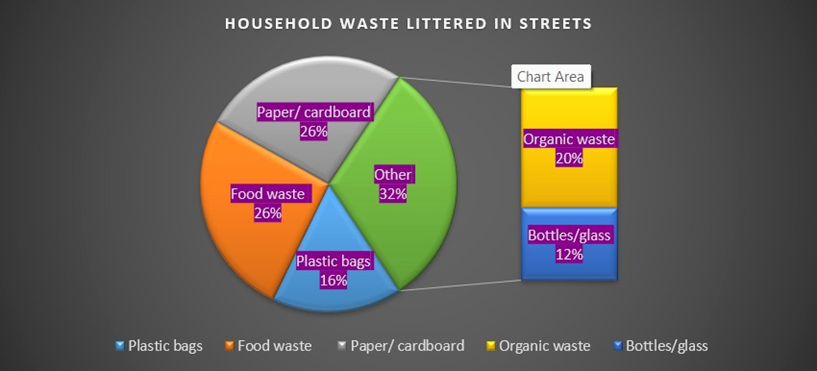
Figure 1: Types of household waste that littered the streets or public spaces.
|
Variable |
Frequency (n) |
Percent (%) |
|
Air pollution |
404 |
20% |
|
Soil pollution |
169 |
8% |
|
malaria |
372 |
18% |
|
Food and water contamination |
388 |
19% |
|
Skin infection |
259 |
13% |
|
Respiratory infection |
291 |
15% |
|
Vector-borne disease |
144 |
7% |
Table 6: Perceived public health risk associated with waste mismanagement.
|
Variable |
Frequency (n) |
Percent (%) |
|
Children |
292 |
61% |
|
Elderly |
117 |
24% |
|
Men |
66 |
14% |
|
women |
7 |
1% |
Table 7: Vulnerable population in waste-related conditions.
The interpretation of the tables provided reveals significant insights into the state of domestic waste management in the observed areas. In (Table 5), it was noted that a considerable proportion of respondents reported frequent observations of littered streets or public spaces, with 189 (39%) indicating they often encountered such waste, while 141 (29%) stated they observed litter very often. Additionally, 146 (31%) reported sometimes witnessing this issue, and only a small fraction, 6 (1%), claimed to rarely see litter in these areas. This data highlighted a pervasive issue of waste mismanagement in the community. Figure 1 detailed the types of domestic waste that contributed to the littering problem. Food waste and paper/cardboard were the most frequently reported types, each comprising 26% of the total observed waste. Organic waste followed closely, accounting for 325 (20%), while plastic bags represented 272 (16%) of the litter. Bottles and glass constituted the least amount of litter at 194 (12%). This distribution underscored the pressing need for better waste segregation and management practices. In (Table 6), respondents expressed their concerns regarding the public health risks associated with waste mismanagement. Air pollution was identified as a significant concern by 404 (20%) of participants, while food and water contamination was reported by 388 (19%). Other notable health risks included malaria 372 (18%), respiratory infections 291 (15%), skin infections 259 (13%), soil pollution 169 (8%), and vector-borne diseases 144 (7%). These findings emphasized the potential health hazards stemming from improper waste disposal. Finally, (Table 7) identified vulnerable populations affected by waste-related conditions. The data revealed that children were the most vulnerable group, with 292 (61%) of respondents acknowledging their susceptibility to waste-related issues. The elderly comprised 117 (24%) of the vulnerable population, while men accounted for 66 (14%). Women were the least represented group, making up only 7 (1%) of those considered vulnerable. This information highlighted the need for targeted interventions to protect these at-risk populations from the adverse effects of waste mismanagement.
|
Variable |
Frequency (n) |
Percent (%) |
|
Always |
96 |
20% |
|
Rarely or never |
61 |
13% |
|
Sometimes |
325 |
67% |
Table 8: Participation of monthly sanitation exercise cleanup.
|
Variable |
Frequency (n) |
Percent (%) |
|
I travelled out of town most time |
13 |
21% |
|
Lack of awareness of the date |
12 |
20% |
|
Lack of enforcement in my area |
10 |
16% |
|
No proper coordination of the sanitation exercise in my area |
25 |
41% |
|
Time constraint |
1 |
2% |
Table 9: Reasons why respondents don’t participate in monthly sanitation exercise cleanup.
In the analysis of (Table 8), it was found that a significant portion of respondents, 325 (67%), reported participating in the monthly sanitation exercise cleanup sometimes, indicating a variable level of engagement among the community. In contrast, 96 (20%) respondents, stated that they always participated, while 61 (13%) individuals indicated that they rarely or never took part in the cleanup activities. (Table 9) provided insights into the reasons why some respondents did not participate in the monthly sanitation exercise cleanup. The most common reason, cited by 25 (41%) respondents was the lack of proper coordination of the sanitation exercise in their area. Additionally, 13 (21%) individuals mentioned that they often traveled out of town, while 12 (20%) respondents attributed their non-participation to a lack of awareness of the cleanup date. Furthermore, 10 (16%) individuals pointed to a lack of enforcement in their area as a barrier, and only 1 (2%) respondent cited time constraints as a reason for not participating. This data highlighted several barriers to participation, with coordination issues being the most significant factor affecting community involvement in the sanitation exercise.
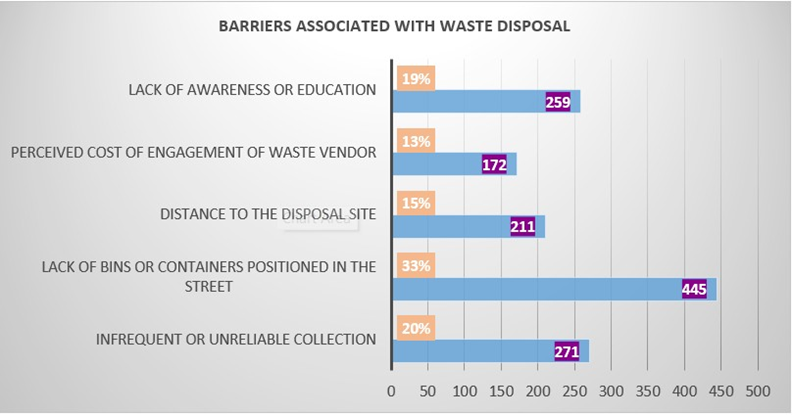
Figure 2: Barriers associated with waste disposal and management.
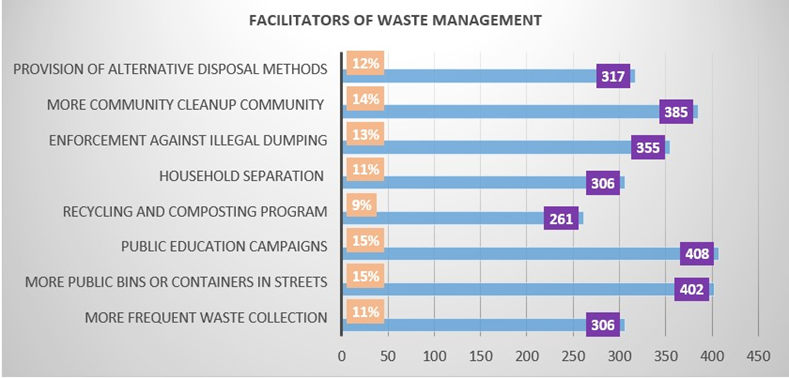
Figure 3: Facilitators to improve waste management.
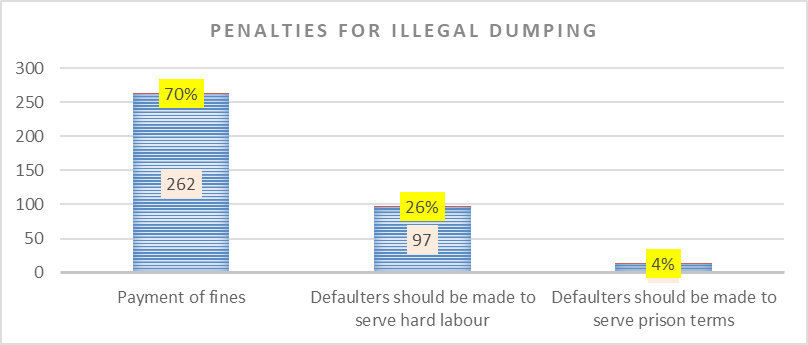
Figure 4: Penalties recommended for illegal dumping.
The analysis of figure 2 revealed various barriers associated with waste disposal and management. A significant portion of respondents, 33%, identified the lack of bins or containers positioned in the street as a primary obstacle, while 20% reported infrequent or unreliable collection services. Additionally, 19% of participants noted a lack of awareness or education regarding waste management practices, and 15% mentioned the distance to disposal sites as a challenge. The perceived cost of engaging a waste vendor was highlighted by 13% of respondents as a barrier, further contributing to the difficulties in effective waste management. In contrast, figure 3 outlined several facilitators that could improve waste management. The data indicated that public education campaigns, supported by 15% of participants, were viewed as essential for enhancing awareness and participation in waste management initiatives. Moreover, the provision of more public bins or containers in streets was favored by 15% of respondents, while 12% suggested the need for alternative disposal methods. More frequent waste collection was seen as important by 11% of participants, alongside household separation efforts, which were also supported by 11%. The enforcement against illegal dumping received backing from 13% of respondents, and 14% emphasized the importance of organizing more community cleanup activities. Overall, these insights highlighted both the challenges and potential solutions for improving waste management practices. Figure 4 discussed the penalties recommended for illegal dumping. A substantial majority of respondents, 70%, favored the payment of fines as a primary consequence for offenders. Additionally, 26% of participants suggested that defaulters should serve hard labor, while only 4% advocated for prison terms as a penalty for illegal dumping. This indicated a strong preference for financial penalties over more severe punitive measures.
|
Observed |
||||
|
Awareness of government designated dump sites |
||||
|
Knowledge of location of dump site |
No |
Yes |
Grand Total |
|
|
No |
79 |
4 |
83 |
|
|
Yes |
211 |
188 |
399 |
|
|
Grand Total |
290 |
192 |
482 |
|
|
Expected |
||||
|
No |
Yes |
Grand Total |
||
|
Knowledge of location of dump site |
No |
49.938 |
33.062 |
83 |
|
Yes |
240.062 |
158.938 |
399 |
|
|
Grand Total |
290 |
192 |
482 |
|
|
p-value = 7.960 x 10⁻¹³ |
||||
Table 10: Chi-square test of association between awareness of government designated dump site and knowledge of the location of dump site.
|
Observed |
||||
|
Waste handlers and scavengers associated with waste disposal |
||||
|
No |
Yes |
Grand Total |
||
|
Public health risk associated with waste mismanagement |
No |
1 |
5 |
6 |
|
Yes |
5 |
471 |
476 |
|
|
Grand Total |
6 |
476 |
482 |
|
|
Expected |
||||
|
No |
Yes |
Grand Total |
||
|
Public health risk associated with waste mismanagement |
No |
0.075 |
5.925 |
6 |
|
Yes |
5.925 |
470.075 |
476 |
|
|
Grand Total |
6 |
476 |
482 |
|
|
p-value = 0.00061 |
||||
Table 11: Chi-square test of association between waste disposal and public health risks.
In the study on waste disposal and mismanagement, the analysis conducted through the chi-square tests revealed significant associations between various factors. (Table 10) examined the relationship between awareness of government-designated dump sites and knowledge of their locations. The results indicated a highly significant p-value of 7.960 x 10⁻¹³, suggesting that individuals who were aware of the designated dump sites were more likely to know their specific locations. This finding emphasized the importance of awareness programs in enhancing community knowledge about proper waste disposal sites. Meanwhile, (Table 11) focused on the association between scavengers and persons involved in waste disposal and the public health risks linked to waste mismanagement. The chi-square test produced a p-value of 0.00061, indicating a significant relationship. This suggested that waste handlers and scavengers, were more likely to recognize the public health risks associated with improper waste management. Overall, these findings highlighted the critical need for public education and intervention strategies to improve waste management practices and mitigate health risks within the community.
|
ANOVA |
||||||||
|
df |
SS |
MS |
F |
Significance F |
||||
|
Regression |
3 |
5.000801 |
1.666934 |
7.209643 |
9.68 x 10⁻⁵ |
|||
|
Residual |
478 |
110.5179 |
0.231209 |
|||||
|
Total |
481 |
115.5187 |
||||||
|
Coefficients |
Standard Error |
t Stat |
P-value |
Lower 95% |
Upper 95% |
Lower 95.0% |
Upper 95.0% |
|
|
Intercept |
1.640239 |
0.118711 |
13.81702 |
8.96E-37 |
1.406978 |
1.8735 |
1.406978 |
1.8735 |
|
Age group |
-0.00409 |
0.018145 |
-0.22566 |
0.821562 |
-0.03975 |
0.031559 |
-0.03975 |
0.031559 |
|
Gender |
-0.0129 |
0.045671 |
-0.28256 |
0.777637 |
-0.10265 |
0.076836 |
-0.10265 |
0.076836 |
|
Occupation |
-0.0648 |
0.014904 |
-4.34772 |
1.68 x 10⁻⁵ |
-0.09408 |
-0.03551 |
-0.09408 |
-0.03551 |
Table 12: Logistic regression analysis of demographic factor and awareness of the existence of dump. site.
In the analysis presented in (Table 12), a logistic regression examined the relationship between demographic factors and awareness of the existence of dump sites, contributing to the understanding of waste management practices. The ANOVA results indicated that the regression model was statistically significant, with a significance F value of 9.68 x 10⁻⁵. This suggested that the demographic factors included in the model were relevant predictors of awareness regarding dump sites. The coefficients for the intercept and the demographic variables were evaluated. The intercept was found to be 1.640239, with a highly significant p-value of 8.96 x 10-37, indicating a strong baseline awareness level when all other variables were held constant. Among the demographic factors analyzed, age group and gender showed no significant relationship with awareness of dump sites. The coefficients for both age group (-0.00409) and gender (-0.0129) had high p-values (0.821562 and 0.777637, respectively), indicating that changes in these variables did not have a meaningful impact on awareness levels. In contrast, the occupation variable demonstrated a significant negative relationship with awareness, with a coefficient of -0.0648 and a p-value of 1.68 x 10⁻⁵. This result indicated that individuals’ occupations played a crucial role in their awareness of dump sites, suggesting that certain occupational backgrounds might have been associated with engagement with waste management issues. Overall, the findings highlighted that while demographic factors like age and gender did not significantly influence awareness of dump sites, occupation emerged as a critical factor that warranted further investigation in the context of effective waste management strategies.
Discussion
In the present study, a comprehensive analysis of the demographic characteristics and waste management practices of a sample population comprising 482 individuals was conducted. The age distribution revealed a notable diversity, with the majority of participants falling within the 25-34 years age group, which constituted 30% of the sample. This finding aligned with previous research suggesting that younger adults were often more engaged in various community activities, including waste management practices. The gender distribution indicated a predominance of females (63%), which might reflect societal roles and responsibilities typically associated with women in waste management contexts. Occupationally, traders emerged as the most represented group at 24%, followed closely by students (21%), which could imply that these demographics had unique perspectives and practices regarding waste disposal. Farmers and fishermen accounted for 18%, while artisans represented 16% of the sample. Civil servants made up 12%, and the unemployed constituted 9%. This occupational diversity likely contributed to varying attitudes and behaviours towards waste disposal and management. The investigation into household waste storage and disposal methods highlighted several critical insights into community waste management practices. A significant portion of respondents, 48%, stored their household waste in bags or sacks outside their homes, indicated a prevalent practice of temporary waste storage that might pose risks for environmental contamination. Moreover, 33% used covered bins or containers, reflected an attempt at organized waste management. However, the alarming statistic that 19% of individuals left their waste open and unprotected underscored a notable gap in effective waste management strategies, potentially leading to environmental and health hazards. Regarding disposal methods, the analysis revealed that a considerable number of individuals, 22%, disposed of their waste at open dump sites, while 17% reported disposing of waste in rivers or canals. These practices highlighted a concerning lack of proper disposal facilities and a general unawareness of the environmental impacts associated with such actions. Additionally, 16% admitted to dumping waste in surrounding bushes, further emphasized the challenges faced in achieving effective waste management.
The findings also illustrated limited access to organized waste collection services, as only 5% of respondents utilized curbside or approved collection bins. Notably, 25% of respondents reported burning their waste at home, a practice that raised significant concerns regarding air quality and public health. The reliance on waste vendors for collection was noted by 14% of participants, albeit this was not the predominant method of disposal. The reasons behind the various disposal choices highlighted critical barriers to effective waste management. A striking 41% of respondents cited a lack of regular waste collection in their area as the primary reason for their disposal practices. Convenience emerged as a significant factor for 23% of individuals, while 14% expressed concerns over the perceived cost of waste vendors. Additionally, the lack of awareness about alternative disposal methods emerged as a common theme, with 22% indicated this as a reason for their practices. Furthermore, findings highlighted significant challenges that the community faced regarding littering and waste disposal. A substantial proportion of respondents reported frequent observations of littered streets and public spaces, with 39% indicated that they often encountered such waste, and an additional 29% stated they observed litter very often. These findings aligned with the broader literature on urban waste management, which emphasized that inadequate waste management practices often led to increased littering and environmental degradation [35]. The composition of waste in Yenagoa City, as revealed in the study, showed that food waste and paper/cardboard constituted the majority, each comprising 26% of the total observed waste, followed by organic waste and plastic bags.
This distribution underscored the pressing need for improved waste segregation and management practices, as stated in a study, which emphasized the need for effective waste segregation at the source which was vital for enhancing recycling rates and minimizing environmental impacts [34]. Furthermore, the health risks associated with waste mismanagement were a major concern among respondents. The data revealed that 20% of participants identified air pollution as a significant health risk, while food and water contamination was noted by 19%. These findings resonated with previous research work that had established a direct link between poor waste management practices and public health issues, including respiratory infections and vector-borne diseases [17,20]. The vulnerability of specific populations, particularly children and the elderly, further emphasized the urgent need for targeted interventions to safeguard these groups from the adverse effects of waste mismanagement. This aligned with studies which advocates for protective measures for at-risk populations in waste management strategies [36], [37]. The analysis of community engagement in monthly sanitation exercises revealed that while a majority (67%) participated sometimes, only 20% reported consistent participation. This variable engagement suggested underlying barriers to community involvement, with the most cited issue being the lack of proper coordination of sanitation exercises. Such findings were consistent with previous studies that highlighted the importance of community organization and effective coordination in enhancing participation in environmental initiatives.
The barriers identified, including lack of awareness and enforcement, further complicated the efforts to engage the community actively in waste management practices. Overall, the study illuminated critical gaps in the waste management strategies of Yenagoa City, underscoring the need for comprehensive policies that address both the logistical challenges of waste management and the socio-cultural factors influencing community participation.
Further analysis revealed a multifaceted landscape dominated by significant barriers and potential facilitators that influenced residents’ engagement in effective waste disposal. The findings indicated that a considerable proportion of respondents, specifically 33%, experienced a primary obstacle in the form of inadequate availability of waste bins or containers in public spaces. This was aligned with previous studies that had highlighted the critical role of accessible waste disposal infrastructure in promoting proper waste management behaviours [38]. Moreover, the issue of infrequent or unreliable collection services, noted by 20% of participants, exacerbated the challenges faced by residents. This finding corroborated the studies who emphasized that irregular waste collection significantly contributed to increased litter and illegal dumping practices in urban environments [32]. Furthermore, the data demonstrated that lack of awareness regarding proper waste management practices affected 19% of respondents. This underscored the importance of public education campaigns, which had been shown to enhance community participation in waste management initiatives. Notably, 15% of participants expressed the need for more public bins, highlighted a direct correlation between the availability of waste disposal facilities and community engagement in waste management. The distance to disposal sites, reported as a challenge by 15% of respondents, further complicated the situation, as it deterred residents from adhering to proper disposal practices.
The potential solutions identified in the study, including the organization of community cleanup activities and the enforcement against illegal dumping, resonated with previous literature advocating for community involvement as a crucial strategy in enhancing waste management practices [24,25]. Specifically, 14% of respondents supported community cleanup initiatives, reinforcing the notion that collective action could lead to improved environmental outcomes. The findings regarding penalties for illegal dumping further illustrated the community’s stance on waste management accountability. With 70% of respondents favouring fines as a primary consequence for offenders, the results suggested a strong inclination towards financial penalties rather than more severe punitive measures, such as hard labor or imprisonment. This preference aligned with the views expressed in a study, which argued that effective enforcement mechanisms that incorporate financial penalties could deter illegal dumping behaviours more effectively than harsher penalties [27]. The insights from the study further underscored the critical barriers and facilitators shaping waste management practices in Yenagoa City. By addressing the identified challenges, such as the lack of infrastructure and public awareness, and leveraging the community’s support for cleanup initiatives and appropriate penalties, stakeholders could significantly enhance the efficacy of waste management strategies in the city.
The role of community awareness and engagement in effective waste disposal was emphasized. The chi-square test results demonstrated a significant association between awareness of government-designated dump sites and knowledge of their specific locations, with a p-value of 7.960 x 10⁻¹³. This finding aligned with previous studies that emphasized the importance of public awareness in improving waste management practices [39]. The results indicated that individuals who were informed about designated dump sites were significantly more likely to know where these sites were located, thereby highlighting the efficacy of awareness programs in fostering proper waste disposal behaviours. Furthermore, the analysis revealed a significant relationship between the awareness of public health risks linked to waste mismanagement and the involvement of scavengers and waste handlers, as evidenced by the chi-square test showing a p-value of 0.00061. This finding corroborated earlier research, which identified a correlation between the level of engagement in waste management and the recognition of associated health risks [18]. Such insights suggested that individuals actively involved in waste disposal were more likely to understand the health implications of improper waste management, thereby reinforcing the necessity of training and educational initiatives aimed at waste handlers. The logistic regression analysis provided further depth to the understanding of demographic influences on awareness of dump sites in Yenagoa City. The statistically significant F value (9.68 x 10⁻⁵) indicated that the demographic factors examined were relevant predictors of awareness. Interestingly, while age group and gender did not show significant relationships with awareness levels, occupation emerged as a pivotal factor.
The negative coefficient for occupation (-0.0648) and its significant p-value (1.68 x 10⁻⁵) suggested that individuals’ professional backgrounds might influence their engagement with waste management issues. This finding resonated with this study which posited that occupation could shape individuals’ perceptions and behaviours regarding waste disposal practices. In summary, the study highlighted the multifaceted nature of waste management practices in Yenagoa City, particularly the importance of community awareness and demographic factors in shaping public engagement with waste disposal. The results indicated a clear need for targeted awareness programs that consider occupational backgrounds to enhance community knowledge and participation in effective waste management strategies. Future research should further explore the implications of occupational influences on waste management practices to develop tailored interventions that could effectively address the unique challenges faced in different demographic segments of the communities.
Conclusion
In conclusion, the study comprehensively examined the household and community waste management practices in Yenagoa City and its environs, revealing significant challenges that adversely impacted public health and environmental quality. The findings indicated that a substantial portion of residents engaged in improper waste storage and disposal methods, such as open dumping and burning, largely due to barriers like inadequate waste collection services, lack of awareness, and perceived costs associated with formal waste disposal. The research highlighted the prevalence of littering in public spaces and its associated health risks, particularly for vulnerable populations such as children and the elderly. Moreover, it was evident that community engagement in sanitation exercises was variable and often hampered by coordination issues and lack of enforcement. The study underscored the critical need for targeted interventions to address the identified barriers, enhance public awareness, and promote effective waste management practices. Ultimately, the insights gained from this research contributed to a deeper understanding of the complexities surrounding waste management in urban settings and provided a foundation for future policy initiatives aimed at improving public health outcomes and environmental sustainability in Yenagoa City and its surroundings.
Recommendations
Improved Waste Management Infrastructure
The study recommended that local authorities enhance waste management infrastructure by increasing the number of public waste bins and ensuring regular collection services. This improvement aimed to provide residents with adequate disposal options and minimize littering in public spaces.
Community Education and Awareness Campaigns
It was suggested that comprehensive community education and awareness campaigns be implemented to inform residents about proper waste management practices. These campaigns should focus on the environmental and health impacts of improper waste disposal, promoting awareness of designated dump sites and alternative disposal methods.
Engagement in Community Clean-Up Initiatives
The study emphasized the importance of fostering community engagement through organized clean-up initiatives. It recommended that local governments and community leaders collaborate to coordinate these activities, enhancing participation and instilling a sense of ownership among residents regarding their environment.
Targeted Interventions for Vulnerable Populations
The research highlighted the need for targeted interventions aimed at vulnerable populations, particularly children and the elderly. It recommended the implementation of protective measures and educational programs tailored to these groups, ensuring they are informed about the risks associated with waste mismanagement. Enforcement of Waste Management Regulations
The study called for stricter enforcement of waste management regulations, including penalties for illegal dumping. It was recommended that local authorities establish clear consequences for offenders, utilizing fines as a deterrent to promote responsible waste disposal behaviors among residents.
Collaboration with Waste Vendors
It was advised that collaborations be established with waste vendors to enhance waste collection services. This partnership could involve subsidizing collection costs for low-income households, making proper waste disposal more accessible and affordable.
Research on Long-Term Health Impacts
Finally, the study recommended further research into the longterm health impacts of waste mismanagement in Yenagoa City and its environs. This research could provide valuable insights for future policy development and public health initiatives, addressing the ongoing challenges associated with waste disposal practices.
Acknowledgements
I would like to express my heartfelt gratitude to the Ethics Committee of the Bayelsa State Primary Health Care Board for granting the necessary ethical approval for this study. Their support and commitment to upholding ethical standards in research were invaluable in guiding this work. I also extend my sincere appreciation to the data enumerators who diligently collected the data for this study. Their professionalism, dedication, and attention to detail ensured that the data collection process was conducted smoothly and efficiently. Lastly, I wish to thank all the participants who took their time to share their experiences and insights regarding waste management practices in Yenagoa City and its environs. Without their willingness to participate, this research would not have been possible. Their contributions were crucial in shedding light on the challenges and implications of waste management within the community.
Authors’ Contribution
Ebiakpor Bainkpo Agbedi was instrumental in the conceptualization and formulation of the research problem that guided this study. He meticulously prepared the study design and methodology, ensuring that the research framework was robust and comprehensive. Throughout the research process, Agbedi played a pivotal role in data analysis, applying appropriate statistical techniques to derive meaningful insights from the collected data. He also took the lead in report writing, synthesizing the findings into a coherent narrative that effectively conveyed the implications of the research. His commitment to the successful completion of the work was evident as he provided guidance and support at various stages, facilitating a collaborative environment that enhanced the overall quality of the study.
Mordecai Oweibia significantly contributed to the research by assisting in the development of the methodology, providing critical input that refined the research approach. He was actively involved in the report writing process, collaborating closely with Agbedi to ensure clarity and coherence in the presentation of findings. Oweibia’s attention to detail was particularly valuable during the proofreading stages, where he meticulously reviewed the report to identify and rectify any errors, thereby enhancing the overall quality of the work. His contributions extended beyond these tasks, as he offered support in various capacities throughout the research process, ultimately facilitating the timely and successful completion of the study.
Conflict of No Interest
The authors declared that there were no conflicts of interest associated with this study. All research activities were conducted independently, and no financial or personal relationships influenced the outcomes or interpretations of the data. The authors ensured that the research adhered to ethical standards and maintained transparency throughout the study.
References
- Panchal R, Singh A, Diwan H (2021) Does circular economy performance lead to sustainable development? A systematic literature review. J Environ Manage (293): 112811
- EZM Ebeid, MB Zakaria (2021) Thermal analysis in recycling and waste management. Thermal Analysis 247-300.
- Omokaro GO, Michael I, Efeni OS, Adeyanju OI, Obomejero J (2026) Waste management in Nigeria: Systemic failures, circular economy pathways and sustainable solutions. Environ Dev (57): 101363.
- Gebrekidan TK, Weldemariam NG, Hidru HD, Gebremedhin GG, Weldemariam AK (2024) Impact of improper municipal solid waste management on fostering One Health approach in Ethiopia — challenges and opportunities: A systematic review. Frontiers in Sustainability (3): 39525943
- Raphela T, Manqele N, Erasmus M (2026) The impact of improper waste disposal on human health and the environment: a case of Umgungundlovu District in KwaZulu Natal Province, South Africa. Frontiers in Sustainability (5).
- Z Lenkiewicz (2024) Beyond an age of waste Turning rubbish into a resource. United Nation Environment Programme.
- Daffi RE, Chaimang AN, Alfa MI (2020) Environmental Impact of Open Burning of Municipal Solid Wastes Dumps in Parts of Jos Metropolis, Nigeria. Journal of Engineering Research and Reports 12(3): 30-43.
- Aderemi AO, Falade TC (2021) Environmental and Health Concerns Associated with the Open Dumping of Municipal Solid Waste: A Lagos, Nigeria Experience. Am J Environ Engineer 2(6): 161-165.
- Fadhullah W, Imran NIN, Ismail SNS, Jaafar MH Abdullah H (2022) Household solid waste management practices and perceptions among residents in the East Coast of Malaysia. BMC Public Health 22(1).
- Uma KE, Nwaka ID, Nwogu MU, Obidike PC (2020) What are the triggers of household decision-making on waste disposal choices? A gender differentiated analysis. Heliyon (6)12: e05588.
- Adenike OA, Fadare OS (2014) Socio-economic factors affecting household solid waste generation in selected wards in Ife central Local Government area. Herald Journal of Geography and Regional Planning 3(4): 158-167.
- Deshpande A, Ramanathan V, Babu K (2024) Assessing the socioeconomic factors affecting household waste generation and recycling behavior in Chennai: A survey-based study. International Journal of Science and Research Archive 11(2): 750-758.
- Fredericton C, Bolingbroke D, Kelvin TW, Senthuran S (2018) ON THE NATURE OF HIGHWAY LITTER; A METHODOLOGY AND FIELD STUDY. Batir la Societe de Demain.
- South Africa (2025) Roadside Litter, Environmental Protection and Road Safety. A Pinto, “What Is Domestic Waste? Household Waste Classification Explained.
- WHO (2024) Compendium of WHO and other UN guidance on health and environment. World Health Organization.
- WHO (2025) WHO highlights health risks and opportunities in the global waste crisis.
- Utip I, Krayer A, Williams S ( 2025) Waste handlers’ health and experiences of healthcare waste management in a Lassa fever treatment centre in Nigeria. Global Health Journal 9(1): 37-45.
- Anokye K, Darko AO, Agyemang P, Adjei LK, Ayeriga MW,et al. (2025) Waste and well-being: Examining waste management challenges and disease burden among marginalized populations in Ghana. Social Sciences and Humanities Open (12): 101739.
- Gutberlet J, Uddin SMN (2017) Household waste and health risks affecting waste pickers and the environment in low- and middleincome countries. Int J Occup Environ Health 23(4): 299-310.
- Aderemi AO, Falade TC (2012) Environmental and Health Concerns Associated with the Open Dumping of Municipal Solid Waste: A Lagos, Nigeria Experience. Am J Environ Engineer 2(6): 160-165.
- Omokaro GO, Michael I, Evgenievich PV (2024) Assessing the Environmental and Health Implications of Waste Disposal: A Case Study of Africa’s Largest Dumping Site. Journal of Geography, Environment and Earth Science International 28(5): 16-30.
- Ezeaka NB, Bartholomew CE (2025) avigating Environmental Sanitation and Health Communication in Nigeria: Challenges and Prospects. International journal of Research and Innovation in Social Science 9(1).
- Vetters N (2023) Community engagement in waste management: Empowering local solutions. Environ Waste Management Recycling 6(6):172.
- David B (2023) Community engagement in the waste management and recycling: Best practices and success storie. Environ Waste Management Recycling 6(4): 158.
- Rangeti I, Dzwairo B (2021) Guide for Organising a Community Cleanup Campaign. Strategies of Sustainable Solid Waste Management 94515.
- (2025) IWMP, “penalties”.
- Oguntoyinbo OO, Informal waste management system in Nigeria and barriers to an inclusive modern waste management system: A review. Public Health 126(5) : 441-447.
- Debnath B, Mainul Bari ABM, Ali SM, Ahmed T, Ali I, et al. (2023) Modelling the barriers to sustainable waste management in the plastic-manufacturing industry: An emerging economy perspective. Sustainability Analytics and Modeling (3): 100017.
- Korstanje R, Janusz K, Rompaey AV, Roos C (2024) Barriers to municipal solid waste management policy implementation. A case study in KwaZulu-Natal, South Africa. South African Geographical Journal106(3): 323-339.
- Vaverková MD, Maxianová A, Winkler J, Adamcová D, Podlasek A (2019) Environmental consequences and the role of illegal waste dumps and their impact on land degradation. Land use policy (89): 104234.
- Ichipi EB, Senekane MF (2023) An Evaluation of the Impact of Illegal Dumping of Solid Waste on Public Health in Nigeria: A Case Study of Lagos State. Int J Environ Res Public Health 20(22).
- Subri US, Ghani NM, Rus RC, Zakaria AF, Affandi HM (2025) Waste no more: Empowering communities through education and participation in sustainable waste management. Multidisciplinary Reviews 8(7).
- Erhabor NI (2023) Impact of Environmental Education on the Knowledge and Attitude of University of Benin Students towards Waste Segregation. Qeios VEJM85.
- Amusan O, Amusan S, Yusuf O, Afolayan I, Akinbode P (2023) Evaluating Waste Management Challenges, Practices and Habits for Circular Economy and Green Growth in Nigeria.
- Bulafu D, Ninsiima LR, Tamale Bn, Baguma JN, namakula LN, et al. (2025) Utilization of personal protective equipment among sanitation workers in faecal-waste management plants in cities in Uganda. Frontiers in Environmental Health (4): 1534012.
- Yang T, Du Y, Sun M, Meng J, Li Y (2024) Risk Management for WholeProcess Safe Disposal of Medical Waste: Progress and Challenges. Risk Manag Healthc Policy 17: 1503-1522.
- Omole DO, Isiorho SA, Ndambuki JM (2016) Waste management practices in Nigeria: Impacts and mitigation. The Geological Society of America (520): 377-386.
- Olayinka OA, Achi OT, Amos AO, Chiedu EM (2025) Barriers and Awareness of Maternal Health Care Services Among Women of Reproductive Age in the Amassoma Community, Bayelsa State. International Journal of Obstetrics and Gynecology 13(3): 1-006.
© by the Authors & Gavin Publishers. This is an Open Access Journal Article Published Under Attribution-Share Alike CC BY-SA: Creative Commons Attribution-Share Alike 4.0 International License. Read More About Open Access Policy.