 Review Article
 Grounding and Mitochondrial Function: A Bioelectrical Review
by Laura Koniver MD*
Intuition Physician, LLC, Fort Mill, South Carolina, USA
Received Date: 27 January 2026
Accepted Date: 2 February 2026
Published Date: 5 February 2026
Citation: Koniver L (2026) Grounding and Mitochondrial Function: A Bioelectrical Review. Curr Res Cmpl Alt Med 10: 281. https://doi.org/10.29011/2577-2201.100281
Abstract
Mitochondrial dysfunction is a central driver of aging, impacting many different diseases associated with aging, including neurodegenerative diseases, cardiovascular disease, metabolic disease, and may contribute to an over all decline in cellular resilience. Because mitochondrial ATP production is fundamentally an electrical and redox-driven process, factors that influence whole-body electrical balance may play a previously under-appreciated role in mitochondrial health. Grounding (also termed earthing), defined as direct conductive contact between the human body and the Earth, has been shown to influence inflammation, blood rheology, autonomic nervous system regulation, cortisol and circadian rhythms, and—more recently—mitochondrial ATP production and reactive oxygen species (ROS) generation. This review synthesizes current experimental, physiological, and clinical evidence to propose a mechanistic framework by which grounding may provide electrical support to mitochondrial function, enhance ATP production, and protect mitochondrial integrity across the lifespan.
Keywords: Grounding; Earthing; Mitochondria; ATP; Bioelectrical; Redox; Aging; Inflammation, Longevity, Mitochondrial function, Protection, Anti-aging, ROS, Oxidative damage, Anti-inflammatory, Inflammaging, Chronic disease, Conductive medicine
Introduction
Mitochondria are electrochemical organelles whose primary function—ATP synthesis—depends on controlled electron flow, membrane potential regulation, and redox balance. Age-related mitochondrial decline is characterized by reduced ATP output, increased ROS production, impaired mitophagy, and cumulative damage to mitochondrial DNA and membranes. This gives rise over a lifetime to an increase in inflammatory and age related degenerative conditions that may be in part influenced by mitochondria dysfunction, including neurodegenerative diseases [1] cardiovascular diseases [2] metabolic disorders [3] skin aging [4] and an over all accelerated biological age [5,6]. While nutritional, hormonal, and genetic influences on mitochondrial health are well studied, bioelectrical influences remain comparatively underexplored.
The surface of the Earth maintains a stable negative electric potential and functions as a vast reservoir of mobile electrons in a global electrical circuit [8]. Grounding the human body allows charge equilibration between the body and Earth, influencing physiological electrical balance and resulting in a wide variety of anti-aging health benefits [9]. Emerging evidence suggests that this conductive connection may have downstream effects on inflammation, circulation, stress physiology, and mitochondrial function, which would provide lifetime benefit to the function of the human body. This review examines the different mechanisms of action that grounding may potentially support mitochondrial bioenergetics and offer long-term mitochondrial protection.
Mitochondria as Electrical Systems
ATP synthesis within mitochondria is driven by electron transport through the respiratory chain, generating a proton gradient across the inner mitochondrial membrane. Disruptions in electron flow increase electron leak, producing superoxide and downstream ROS. Over time, oxidative damage to electron transport chain (ETC) complexes, cardiolipin, and mtDNA contributes to declining mitochondrial efficiency.
Because mitochondrial performance is tightly coupled to redox status, any intervention capable of stabilizing electron availability or reducing excess oxidative charge may favor ATP production while limiting damage accumulation. Over a lifetime, improved mitochondrial efficiency with less oxidative stress across repeated metabolic cycles, via grounding, may provide cumulative health benefits and increase the well-span of individuals.
Grounding and Potential Mitochondrial Effects
Redox Stabilization
The most recent and most direct experimental evidence linking grounding to mitochondrial function was a 2025 study demonstrating that mitochondria exposed to grounded conditions produced significantly more ATP (a 5 - 11% boost in ATP production) while generating about 22 - 33% less ROS compared with ungrounded controls [10]. Grounded mitochondria also exhibited a modest reduction in membrane potential of about 5 - 6%, consistent with reduced oxidative stress and improved electron flow efficiency.
Grounding may allow electrons from the Earth to enter the body and participate in redox buffering. Reactive oxygen and nitrogen species are electron-deficient molecules that propagate inflammatory and oxidative signaling. Supplemental electrons may neutralize these species, reducing oxidative pressure on mitochondria.
These findings suggest that grounding may reduce ROS formation, thereby improving oxidative phosphorylation efficiency and providing ongoing protection to the mitochondria against daily oxidative stress. Over time, reduced oxidative burden may protect mitochondrial membranes, proteins, and mtDNA from cumulative damage, preserving respiratory capacity.
Improved circulation and oxygen delivery
Multiple medical studies have demonstrated that grounding increases red blood cell (RBC) surface charge (zeta potential), reducing RBC aggregation and decreasing blood viscosity [11,12]. This improved rheology visibly enhances microcirculatory flow through tissue capillaries [13,14] improving tissue oxygenation, as well as reducing high blood pressure by about 22% [15].
Because mitochondrial ATP synthesis is oxygen-dependent, improved capillary perfusion may reduce hypoxia-reperfusion stress, a potent inducer of mitochondrial ROS and dysfunction. Boosted circulation and oxygen delivery may be one of the primary mechanisms of action behind the protective health benefits of grounding to mitochondrial function, reducing low grade ischemic stressors to the mitochondria, especially in high oxygen demand organs such as the heart, brain, and muscle.
Decreased Inflammation
Chronic inflammation suppresses mitochondrial oxidative phosphorylation and increases ROS production. Multiple grounding studies report reduced inflammatory markers, such as a near 60% drop in C-reactive protein levels [16] and up to a 20% reduction in inflammatory cytokines as a result of grounding interventions [17] all leading to wounds healing up to three times faster [18] and attenuated inflammatory responses following injury or exercise [19] with faster muscle recovery following exhaustive exertion [20].
By reducing inflammatory amplification loops, grounding may indirectly protect mitochondrial structure and function, particularly in aging tissues where low-grade inflammation (“inflammaging”) is driving the aging process [21].
Improved Autonomic Regulation
Grounding has been found to significantly improve heart rate variability [22-24] reflecting enhanced parasympathetic (vagal) tone, decreased neurogenic stress [25] and enhancing psychological resiliency to stress as well [26,27]. Chronic sympathetic activation increases oxidative stress, impairs mitochondrial repair pathways, and disrupts metabolic efficiency.
Because sympathetic dominance increases oxidative burden and disrupts mitochondrial repair, by improving autonomic balance, grounding the human body may create a physiological environment that is more conducive to mitochondrial maintenance and ATP efficiency.
Circadian Rhythm Normalization
Mitochondrial biogenesis, fission–fusion dynamics, and mitophagy are all under circadian control. Grounding during sleep has been shown to reduce nighttime cortisol and normalize diurnal cortisol rhythms [28]. The earth helps to set and regulate the internal biological clock through improving the cortisol awakening response as well as lowering cortisol through the night, helping to maintain a stable 24 hour biological rhythm [29].
Because sleep and circadian signaling regulate mitochondrial health, the lower nocturnal cortisol that grounding provides may enhance the sleep-dependent portion of the mitochondrial repair process and directly support long-term mitochondrial resilience.
Exercise Recovery
Eccentric exercise induces mitochondrial ROS and muscle damage. Grounding has been associated with reduced muscle damage markers, such as significantly lowered creatine kinase levels when pushing muscles to exertion while grounded [30], as well as dramatically improving recovery kinetics, decreasing post-exertion soreness when using grounding for during recovery [31-33].
By limiting repeated post-exertional inflammatory and oxidative surges, grounding may preserve mitochondrial capacity in physically active individuals over time, slowing down musculoskeletal aging [34].
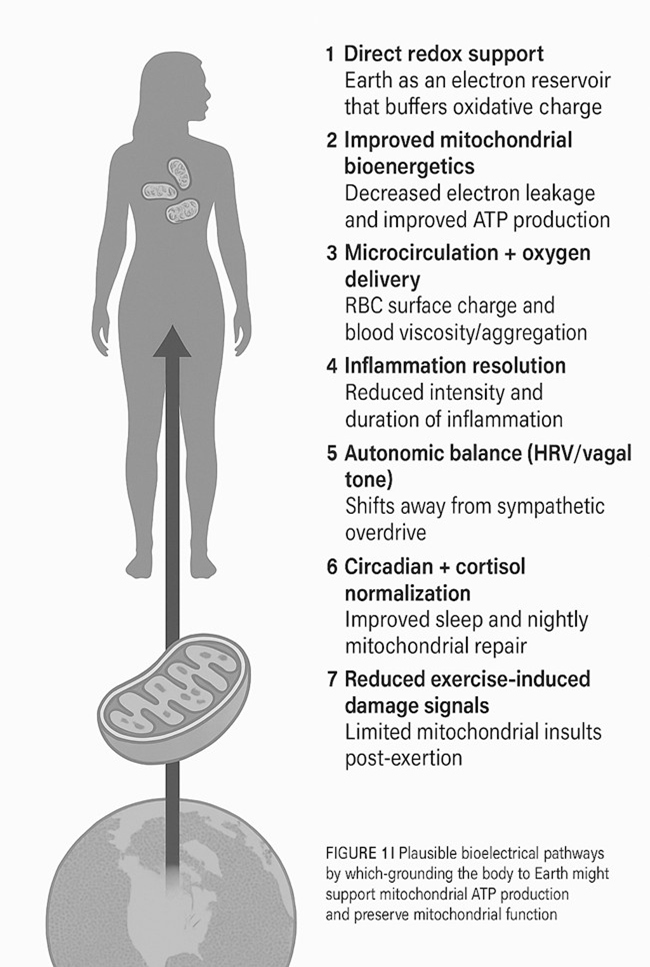
Figure 1: Bioelectrical Pathways Grounding May Protect Mitochondrial Function.
This model demonstrates how small, repeated electrical influences on several different bioelectrical levels may accumulate into meaningful mitochondrial protection across the lifespan.
Conclusion
Grounding represents a novel, low-risk, accessible and easy to implement intervention that may influence mitochondrial bioenergetics through redox, circulatory, inflammatory, autonomic, and circadian pathways [35-38]. While additional medical studies are needed, existing evidence supports the plausibility that conductive contact with the Earth may enhance ATP production and protect mitochondrial function over time. Given the central role of mitochondrial decline in aging and chronic disease, grounding warrants further investigation within the emerging field of conductive medicine.
References
References
- Reddy PH (2008) Mitochondrial medicine for aging and neurodegenerative diseases. Neuromolecular Med. 10:291-315.
- Marzetti E, Csiszar A, Dutta D, Balagopal G, Calvani R, et al. (2013) Role of mitochondrial dysfunction and altered autophagy in cardiovascular aging and disease: from mechanisms to therapeutics. Am J Physiol Heart Circ Physiol 305:H459-H476.
- Sreedhar A, Aguilera-Aguirre L, Singh KK (2020) Mitochondria in skin health, aging, and disease. Cell Death Dis 11:444.
- Bhatti JS, Bhatti GK, Reddy PH (2017) Mitochondrial dysfunction and oxidative stress in metabolic disorders - A step towards mitochondria based therapeutic strategies. Biochim Biophys Acta Mol Basis Dis 1863:1066-1077.
- Reeve AK, Krishnan KJ, Turnbull DM (2008) Age related mitochondrial degenerative disorders in humans. Biotechnol J 3:750-756.
- Suomalainen A, Nunnari J (2024) Mitochondria at the crossroads of health and disease. Cell 187:2601-2627.
- Harrington JS, Ryter SW, Plataki M, Price DR, Choi AMK (2023) Mitochondria in health, disease, and aging. Physiol Rev 103:2349-2422.
- Koniver L (2023) Practical applications of grounding to support health. Biomed J 46:41-47.
- Koniver L (2024) Grounding: an anti-aging breakthrough? Trends Gen Med 2:1-7.
- Giulivi C, Kotz R (2025) Earthing effects on mitochondrial function: ATP production and ROS generation. FEBS Open Bio 15:1459-1470.
- Chevalier G, Sinatra ST, Oschman JL, Delany RM (2013) Earthing (grounding) the human body reduces blood viscosity—a major factor in cardiovascular disease. J Altern Complement Med 19:102-110.
- Brown R, Chevalier G (2015) Grounding the Human Body during Yoga Exercise with a Grounded Yoga Mat Reduces Blood Viscosity. Open Journal of Preventive Medicine 5:159-168.
- Chevalier G, Melvin G, Barsotti T (2015) One-hour contact with the Earth’s surface (grounding) improves inflammation and blood flow—a randomized, double-blind, pilot study. Health 7:1022-1059.
- Chevalier G (2014) Grounding the Human Body Improves Facial Blood Flow Regulation: Results of a Randomized, Placebo Controlled Pilot Study. Journal of Cosmetics, Dermatological Sciences and Applications 4:293-308.
- Elkin HK, Winter A (2018) Grounding Patients With Hypertension Improves Blood Pressure: A Case History Series Study. Altern Ther Health Med 24:46-50.
- Oschman J, Chevalier G, Brown R (2015) The effects of grounding earthing on inflammation the immune response wound healing and prevention and treatment of chronic inflammatory and autoimmune diseases. J Inflamm Res 8:83-96.
- Brown D, Chevalier G, Hill M (2010) Pilot study on the effect of grounding on delayed-onset muscle soreness. J Altern Complement Med 16:265-273.
- Koniver L (2023) Grounding and Skin Repair: The Power of DC Energy. Curr Res Cmpl Alt Med 7:197.
- Sinatra ST, Sinatra DS, Sinatra SW, Chevalier G (2023) Grounding: The universal anti-inflammatory remedy. Biomed J 46:11-16.
- Müller E, Pröller P, Ferreira-Briza F, Aglas L, Stöggl T (2019) Effectiveness of Grounded Sleeping on Recovery After Intensive Eccentric Muscle Loading. Front Physiol 10:35.
- Koniver L (2024) Grounding: an anti-aging breakthrough? Trends Gen Med 2:1-7.
- Passi R, Doheny KK, Gordin Y, Hinssen H, Palmer C (2017) Electrical Grounding Improves Vagal Tone in Preterm Infants. Neonatology 112:187-192.
- Chevalier G, Sinatra ST (2011) Emotional Stress, Heart Rate Variability, Grounding, and Improved Autonomic Tone: Clinical Applications. Integr Med
- Chevalier G, Sinatra ST (2011) Emotional stress, heart rate variability, grounding, and improved autonomic tone: clinical applications. Integr Med
- Koniver L (2023) Neurological Pathways Supported by Grounding. Open J Neurol Neurosci 1:1002.
- Koniver L (2024) Grounding to treat anxiety. Medical Research Archives
- Chevalier G (2015) The effect of grounding the human body on mood. Psychol Rep 116:534-542.
- Ghaly M, Teplitz D (2004) The biologic effects of grounding the human body during sleep as measured by cortisol levels and subjective reporting of sleep, pain, and stress. J Altern Complement Med 10:767-776.
- Koniver L (2025) The Earth’s role in circadian regulation: grounding to set daily cortisol pattern. J Med Clin Res Rev 9:1-4.
- Brown R, Chevalier G, Hill M (2015) Grounding after moderate eccentric contractions reduces muscle damage. Open Access J Sports Med 6:305-317.
- Brown D, Chevalier G, Hill M (2010) Pilot study on the effect of grounding on delayed-onset muscle soreness. J Altern Complement Med 16:265-273.
- Müller E, Pröller P, Ferreira-Briza F, Aglas L, Stöggl T (2019) Effectiveness of Grounded Sleeping on Recovery After Intensive Eccentric Muscle Loading. Front Physiol 10:35.
- Khalid M, Madvin J (2021) Mechanisms Lead towards Improved Health Massage with Earthing. European Journal of Medical and Health Sciences 3:1-5.
- Curtis E, Litwic A, Cooper C, Dennison E (2015) Determinants of Muscle and Bone Aging. J Cell Physiol 230:2618-2625.
- Oschman JL (2023) Illnesses in technologically advanced societies due to lack of grounding (earthing). Biomed J 46:17-29.
- Menigoz W, Latz TT, Ely RA, Kamei C, Melvin G, et al. (2020) Integrative and lifestyle medicine strategies should include earthing (grounding): review of research evidence and clinical observations. Explore (NY) 16:152-160.
- Chevalier G, Sinatra ST, Oschman JL, Sokal K, Sokal P (2012) Earthing: health implications of reconnecting the human body to the Earth’s surface electrons. J Environ Public Health 2012:291541.
- Koniver L (2023) Practical applications of grounding to support health. Biomed J 46:41-47.
© by the Authors & Gavin Publishers. This is an Open Access Journal Article Published Under Attribution-Share Alike CC BY-SA: Creative Commons Attribution-Share Alike 4.0 International License. Read More About Open Access Policy.